 Padua City Guide
 from $45.25
Guided Tour of Giotto's Scrovegni Chapel
The fresco deep-dive with the slot handled for you
Check AvailabilityPadua, Italy, rewards the traveller who slows down: half of what makes the city memorable costs nothing: the porticoed lanes between the market squares, the frescoed baptistery, the free basilica, and Prato della Valle at dusk. This guide prices the paid half honestly — starting with the 15-minute slot system that governs Giotto's chapel — and prints the date every figure was checked.
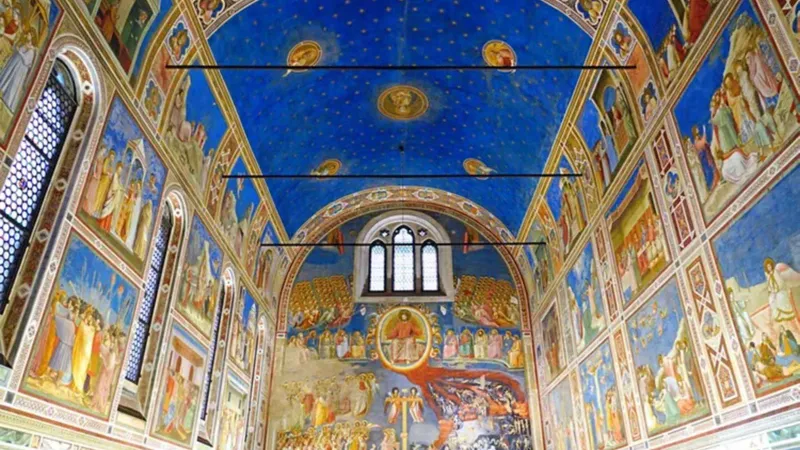
Checked on 12 September 2026: Padua's one hard rule is the Scrovegni Chapel. Giotto's 1303-1305 fresco cycle is seen in 15-minute timed slots with mandatory advance booking — the combined Musei ticket totals €16.00 including the €1 booking fee, and the chapel opens daily 9:00-19:00. Everything else is forgiving: the Basilica of Saint Anthony is free, the baptistery's Menabuoi dome costs €15 with the Diocesan Museum, and the Padova Urbs Picta Card bundles the city's UNESCO fresco sites with public transport for €28 over 48 hours. Venice sits 30 minutes and roughly €4-5 away by regional train — most visitors base here and ride in for a day.
Key takeaways
Every Padua trip resolves into five choices. Decide these and the rest of the itinerary writes itself:
First slot of the day for soft light and the thinnest crowds; evening slots under 'Giotto sotto le stelle' if you want the dark. Slots are strictly 15 minutes.
The Urbs Picta Card covers eight fresco-cycle sites plus transit. It beats single tickets from the fifth paid entry — do the arithmetic before you queue.
One day compresses the piazze and the chapel; two days add the botanical garden and Palazzo Bo; three days unlock the Euganean Hills.
Sleeping in Padua roughly halves nightly costs against Venice, and the regional train delivers you to Santa Lucia in about half an hour.
Market stalls at lunch, bacaro-style cichetti at aperitivo, and bigoli col foin at dinner — the Paduan dining rhythm explained.
A first visit routes through these six. Each links to a full page with verified hours, prices, and the practical quirks that decide a visit:
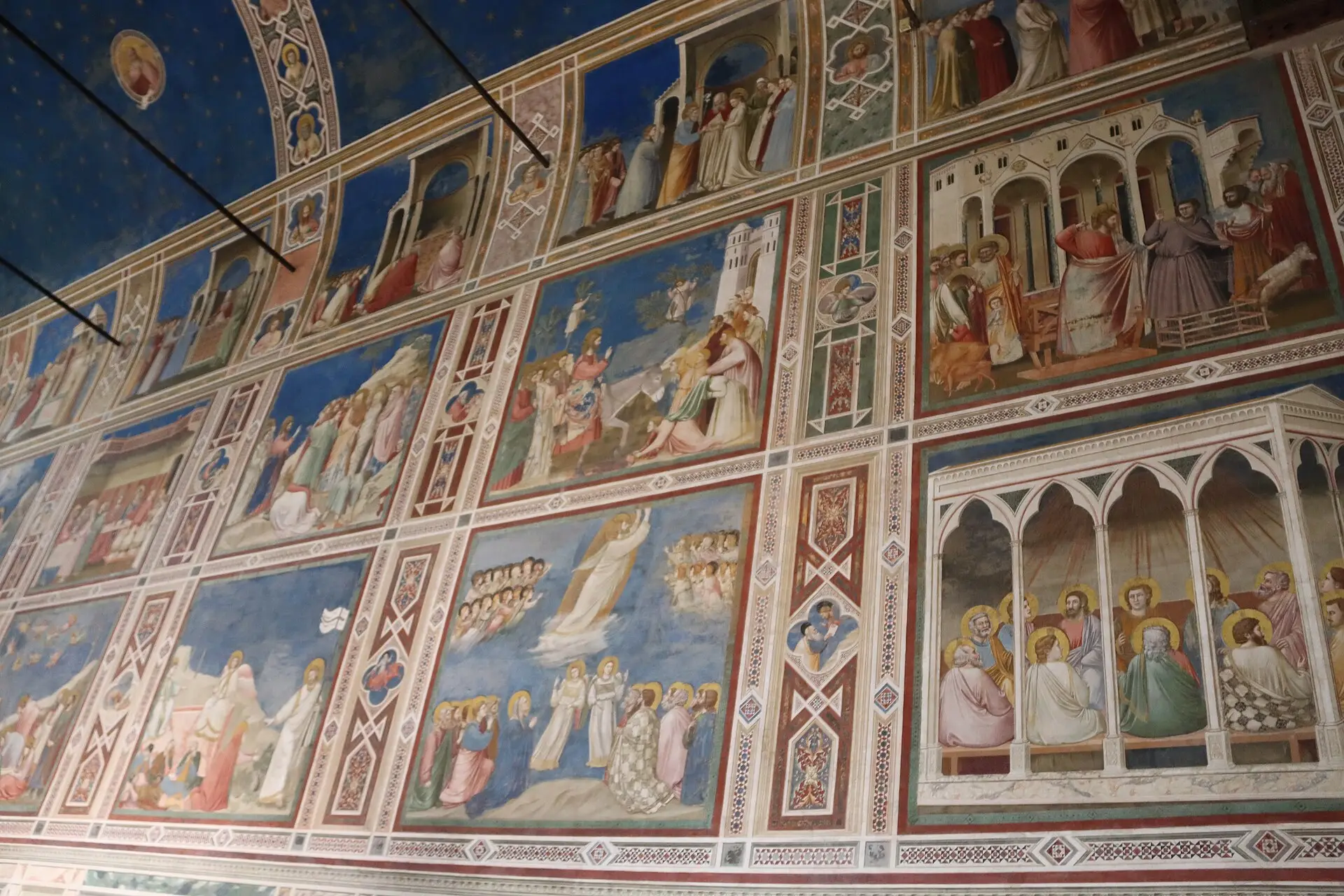
Thirty-eight fresco panels by Giotto, 1303-1305, under a lapis vault with gold stars. Timed 15-minute slots; combined ticket €16.00.
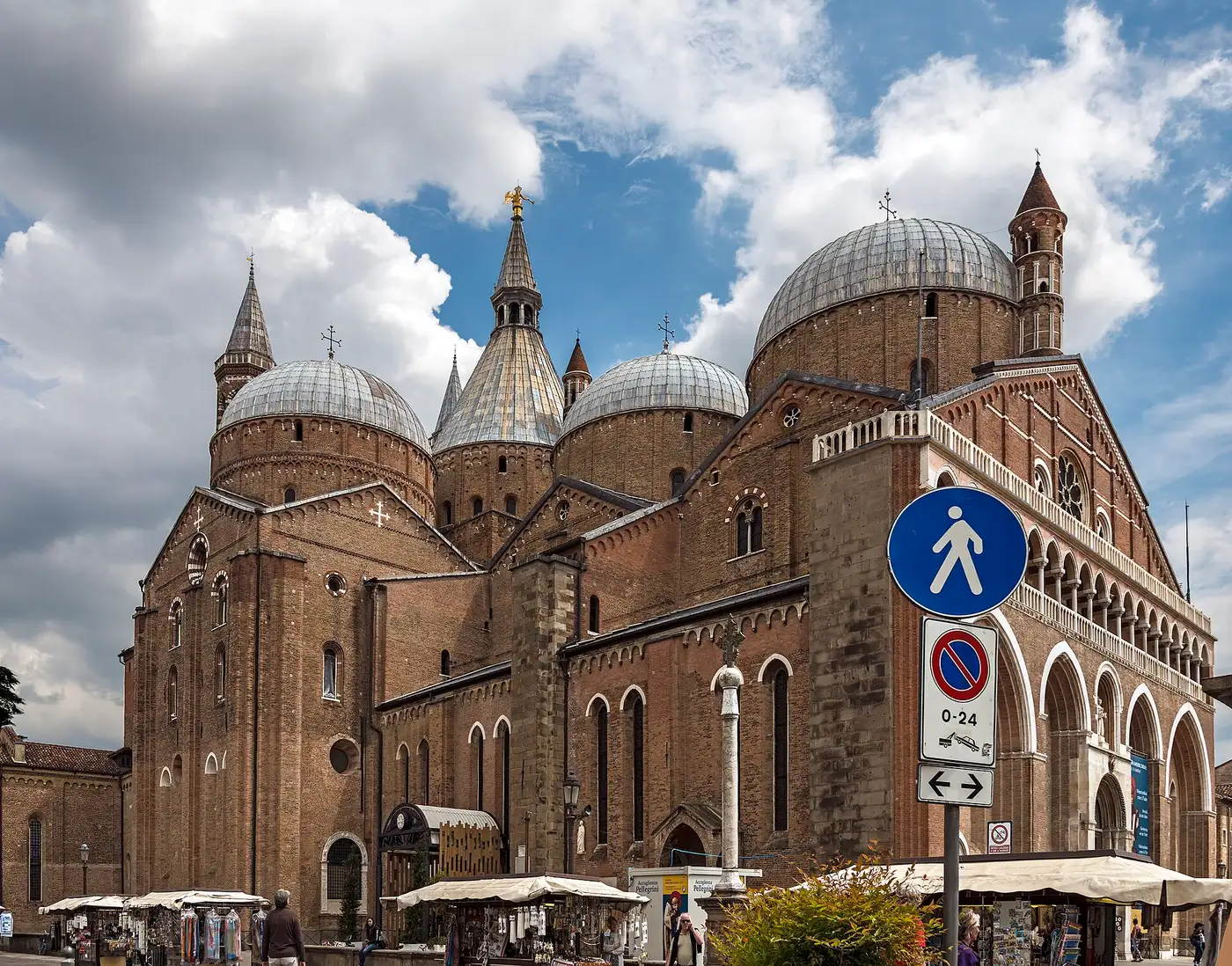
Pilgrimage church blending Romanesque, Gothic and Byzantine; free entry, the saint's tomb in the Lower Basilica, Donatello bronzes inside and the Gattamelata outside.
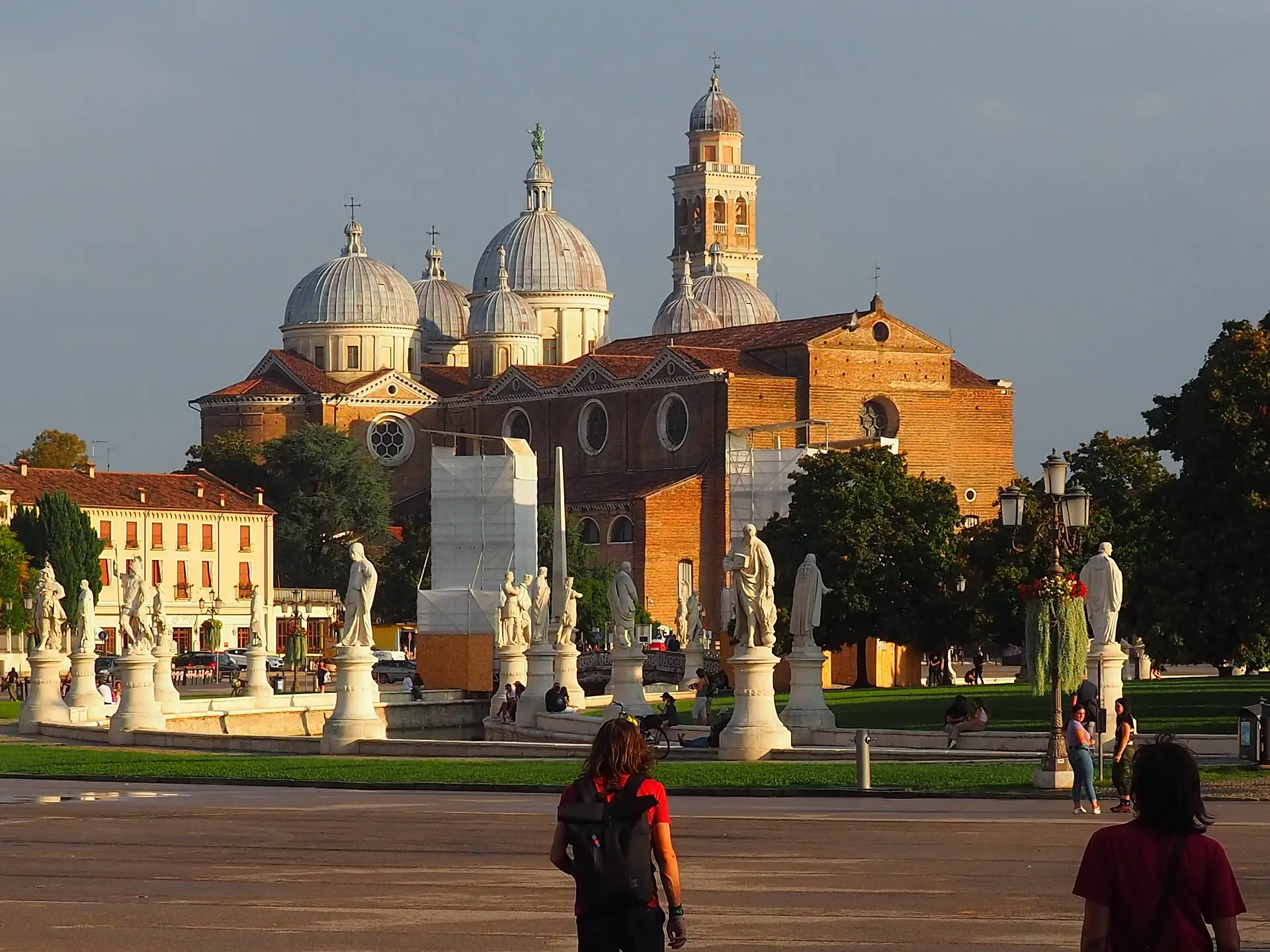
An elliptical canal-ringed square with a central island and 78 statues, laid out in 1775 over the ruins of Rome's theatre. Free, always open.
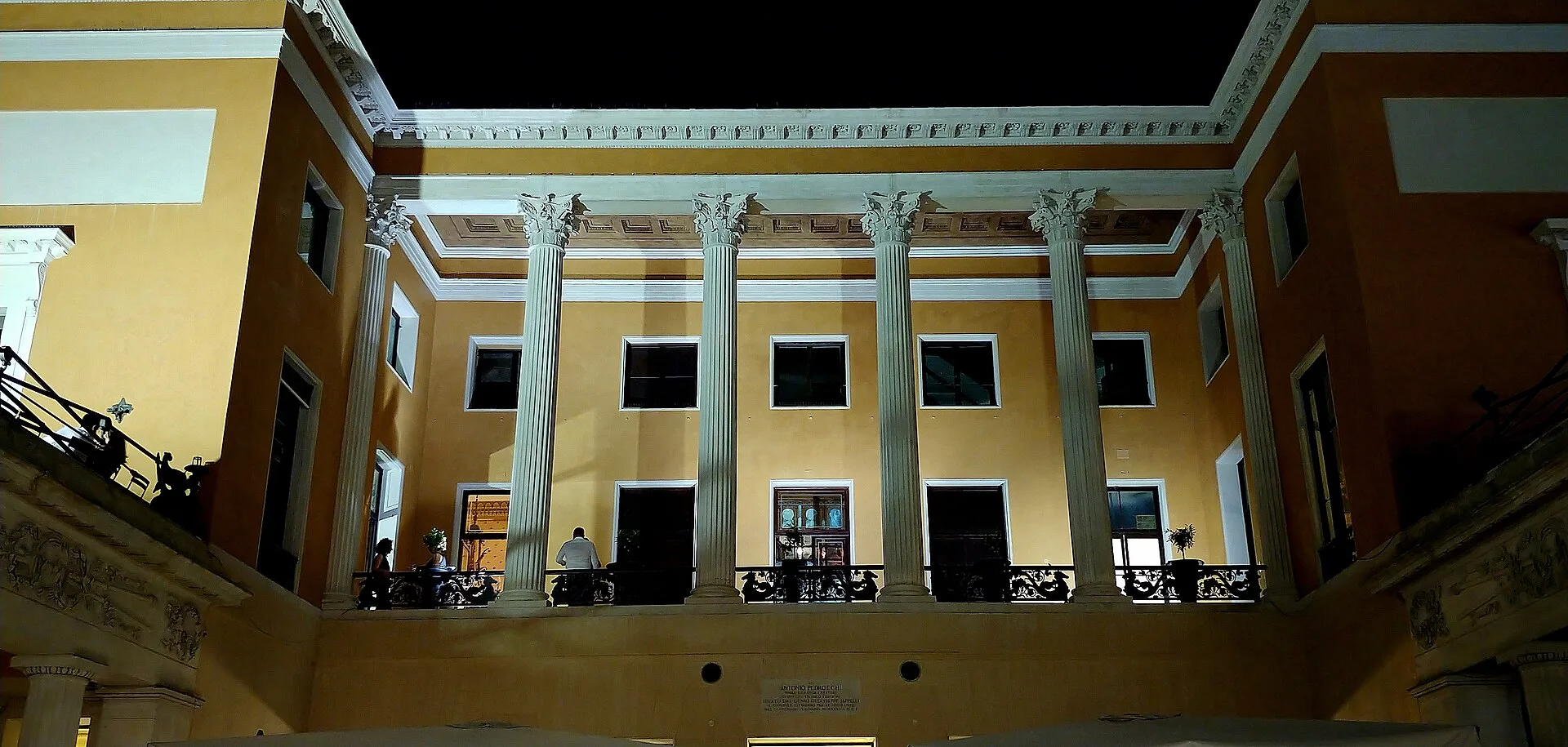
The 1831 'café without doors' that stayed open around the clock until 1916; free to enter, signature coffee with mint cream, Risorgimento museum upstairs for €5.
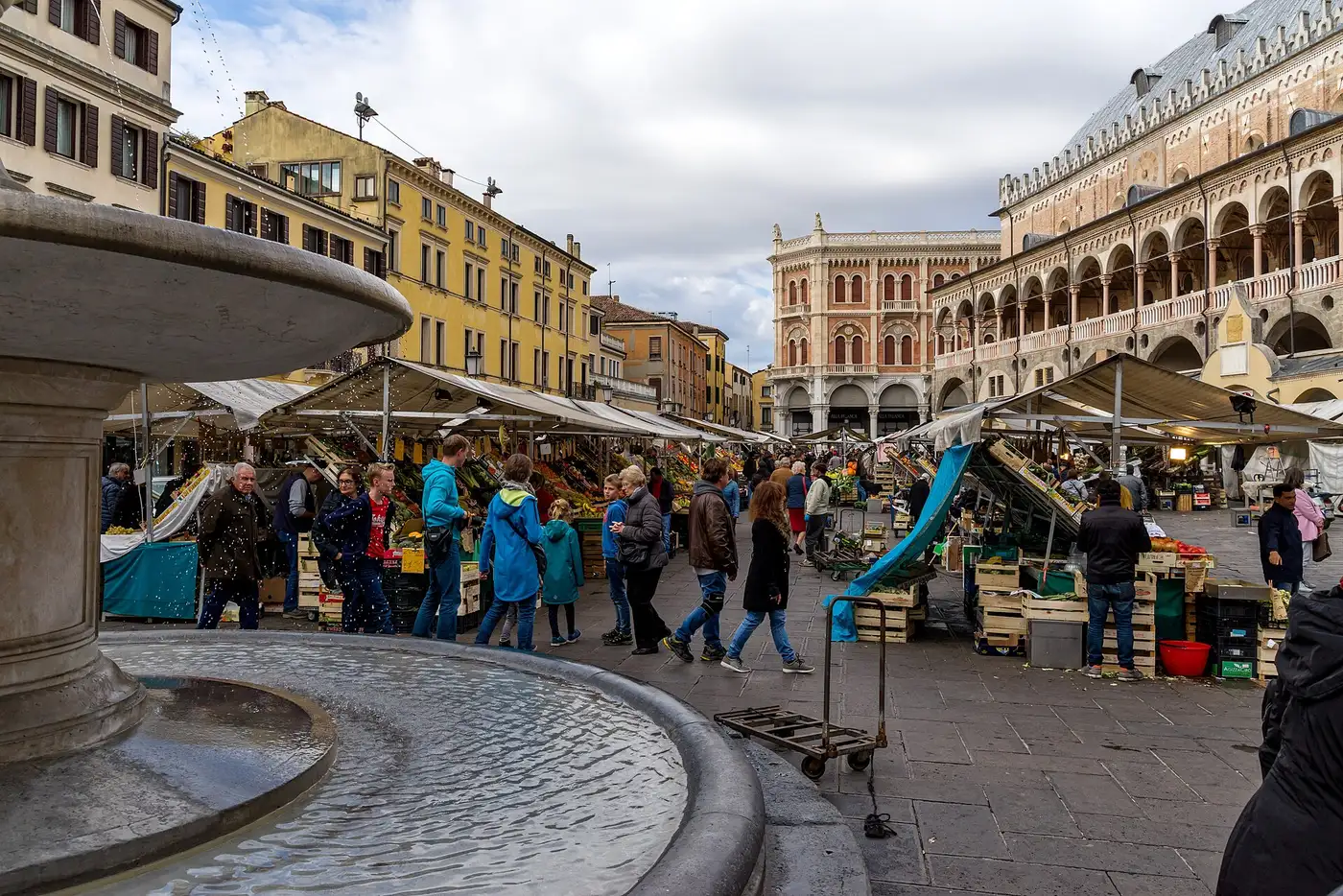
The daily market square since 1219 beneath the great medieval hall with its zodiac fresco cycle; €8 entry, closed non-holiday Mondays.
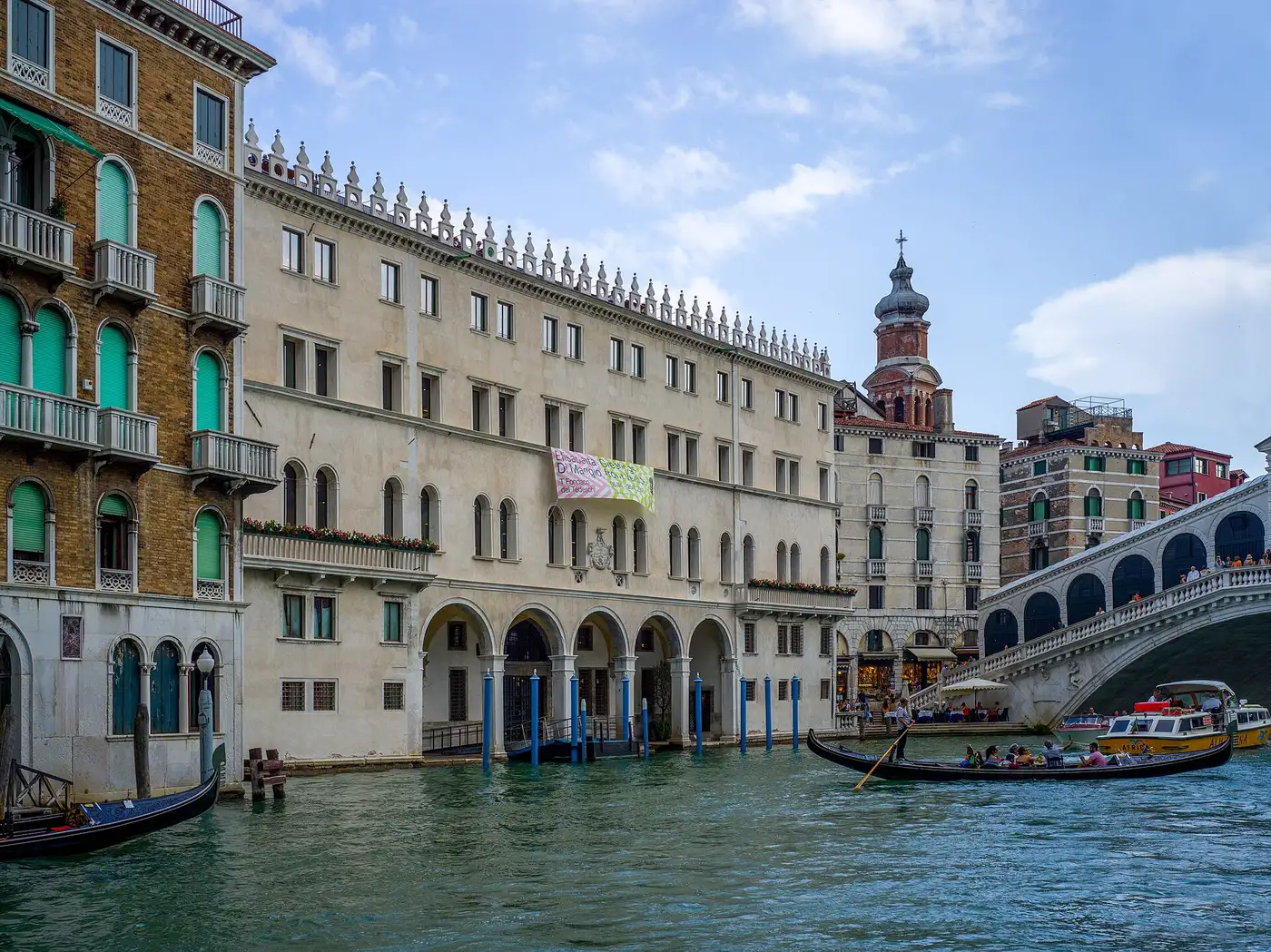
Regional trains leave Padova Centrale every 15-30 minutes and reach Santa Lucia in about half an hour for roughly €4-5.
Padua's Old Town compresses into a loop of about three kilometers that most walkers complete in a long morning, and the sequence matters more than the list. Start at Piazza delle Erbe when the market stalls are still trading — roughly 7:30 to 13:00 on weekdays — because the fruit and vegetable sellers under the Palazzo della Ragione arcades are the square's whole point. Step inside the great hall itself (€8, closed non-holiday Mondays) to see the zodiac fresco cycle that sweeps across its vast single roof span, then climb Piazza dei Signori next door, where the astronomical clock of 1344 keeps medieval hours on its dial.
Five minutes west through the porticoes stands Caffè Pedrocchi, the neoclassical café that functioned as the university's second faculty room for two centuries; a coffee at the marble tables still costs café prices, not museum prices. From there the route runs north-west to the Arena gardens and the Scrovegni Chapel — book your 15-minute slot before anything else in the day, because walk-up availability is thin. The Basilica of Saint Anthony anchors the southern half: free entry, the saint's tomb in the Lower Basilica, Donatello's bronzes in the Chapel of the Relic, and the bronze Gattamelata on horseback in the piazza outside.
Finish by crossing south to Prato della Valle in the late afternoon, when the light drops behind the 78 statues and locals claim their stretch of grass. The Botanical Garden closes the loop for garden-minded visitors: the world's oldest academic botanical garden, founded 1545 and UNESCO-listed since 1997, sits five minutes east of Prato across Via Cesare Battisti.
Figures verified on the official Turismo Padova and Padova Musei pages on 12 September 2026. The card bundles one entry to each of the eight UNESCO 'Urbs Picta' fresco sites with unlimited city public transport:
| Option | Price | What it covers | Public transport | Break-even point |
|---|---|---|---|---|
| Urbs Picta Card 48h | €28.00 | One entry to each of 8 UNESCO sites incl. Scrovegni Chapel, Palazzo della Ragione, Battistero, Eremitani | Unlimited city buses | From about 5 paid entries |
| Urbs Picta Card 72h | €35.00 | Same eight sites, over three days | Unlimited city buses | From about 5 paid entries plus longer stays |
| Scrovegni combined ticket | €16.00 (incl. €1 booking) | Chapel slot + Museo Eremitani + Palazzo Zuckermann | Not included | — |
| Palazzo della Ragione single | €8.00 | The Salone and its zodiac cycle | Not included | — |
| Battistero + Diocesan Museum | €15.00 | Menabuoi's fresco dome, Salone dei Vescovi, museum | Not included | — |
The tours below run from GetYourGuide's Padua listing — guided chapel visits lead, with city walks and a golf-cart option behind them:
from $45.25
The fresco deep-dive with the slot handled for you
Check Availability from $69.61
Best value: the slot and the fresco context in one booking
Check Availability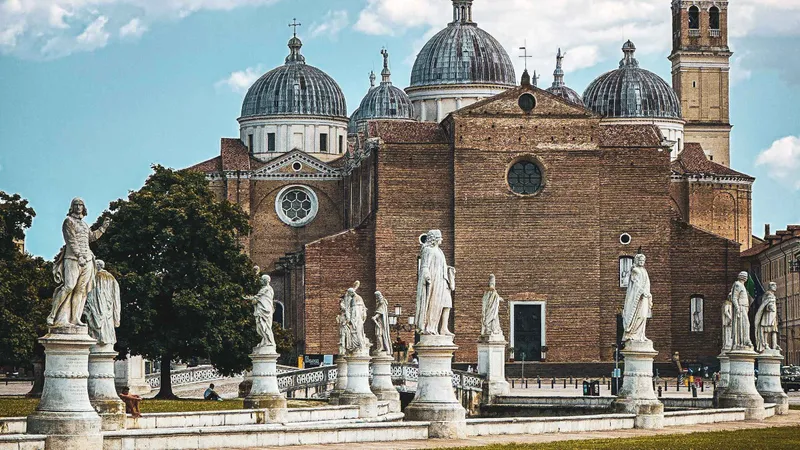 from $69.61
The local-life pick: squares, alleys, and a tasting at Pedrocchi or the market
Check Availability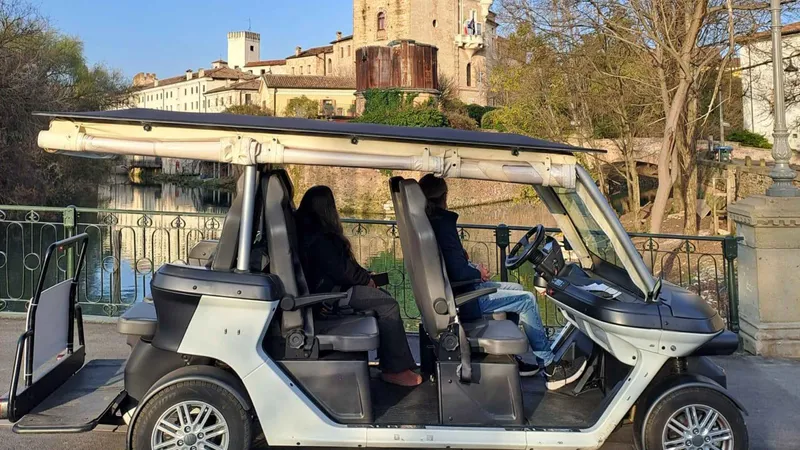 from $61.49
Prices, ratings and details are the platform's own, checked in Q3 2026; dollar figures are the listed prices — the platform bills in your account's currency.
Padua rewards a slower pace than its day-trip reputation suggests. The matrix below shows what each stay length realistically absorbs, using the slot system and opening-day rules that actually bind:
| Stay | Realistic coverage | Paid sights included | Day-trip capacity | Who it suits |
|---|---|---|---|---|
| 1 day | Market squares, Scrovegni slot, Basilica del Santo, Prato della Valle | Scrovegni €16.00, optional Ragione €8.00 | None — Padua fills the day | Rail passers-through with one booked slot |
| 2 days | Day one as above; day two adds Botanical Garden, Palazzo Bo, baptistery | Adds Orto €15.00, Bo tour €10.00, Battistero €15.00 | No — or a rushed Venice evening | First-time visitors who want the fresco story |
| 3 days | Everything above at half-day density | Full Urbs Picta set — the 48h card starts to win | One full day trip: Venice, Verona, or the Euganean Hills | Travelers using Padua as the Veneto base |
Padua eats on a clock that visitors should adopt rather than fight. Lunch runs 12:30-14:30 and many kitchens close after; aperitivo takes over from about 18:00; dinner service starts 19:00-19:30 and rarely before. The market square doubles as a lunch engine — the covered stalls and surrounding bars slice bread, cheeses and cold cuts to order for a few euros — while evenings belong to the bacaro-style cichetti crawl: small plates at €1.50-4 with a small glass of wine (an 'ombra') or a spritz at €4-6.
The dishes to order are Padua's own, not Venice's leftovers: bigoli col foin, the thick whole-wheat pasta dressed with slowly softened onion and sardine; risotto with bruscandoli, the wild hop shoots that appear only in spring; baccalà mantecato whipped on polenta; and the pasta e fagioli the Po plain is entitled to. Tiramisù's birthplace is contested with Treviso across the border, but every Paduan osteria will defend its version. The full dish encyclopedia with seasonal logic lives on the traditional Paduan food page.
The Old Town core is compact and flat enough that walking beats every alternative inside the piazze rectangle; the bus network matters mainly for the run between Padova Centrale station and the centre. Urban buses are run by BusItalia Veneto; single tickets cost roughly €1.30-1.50 for a 75-90 minute validity — confirm the current fare at a tabaccheria or the tourist office, because drivers sell only the on-board surcharge version. Bikes are the locals' second pair of legs: Padua is among Italy's more cycle-minded cities, with lanes along the Rivieras and across Prato della Valle.
Arrivals route through Venice Marco Polo airport, 50-60 minutes east by direct bus to the Padova Autostazione (roughly €9-10 one way — the full airport comparison), or via a bus-to-Mestre plus regional train combination that trades convenience for a lower fare. Trains out of Padova Centrale cover the region: Venice in about half an hour, Vicenza in thirty minutes, Verona in 70-90. Driving into the centre is the one mode to avoid — the historic core restricts car access and perimeter parking garages charge by the hour.
Padua undercuts its Venetian neighbour on every line of the budget, and the difference compounds across a stay. A realistic mid-range day — one paid sight, market lunch, aperitivo, trattoria dinner, and the odd bus — lands around €110-160 per person including a mid-range room, while a shoestring day that leans on the free half of the city runs €55-75 excluding accommodation. The full cost breakdown itemises every line with the current figures; the short version follows.
Accommodation dominates the spread: central rooms start near €70-90 and climb toward €140-180 in the high season, roughly half of what the equivalent Venice address charges. Food splits into three honest tiers — €5-10 for a market lunch, €20-35 for a full trattoria dinner with wine, €4-6 per spritz at aperitivo. Tickets stay cheap by northern-Italian standards because the flagship experience is a single €16.00 slot and the second-best sight is free. The one budget trap is transport complacency: day trips are so cheap by rail that the temptation to leave every morning can quietly double your ticket spend.
GetYourGuide's Padua departures concentrate on the Brenta Riviera boat toward Venice, the prosecco hills, and the Euganean wineries — each links to its card:
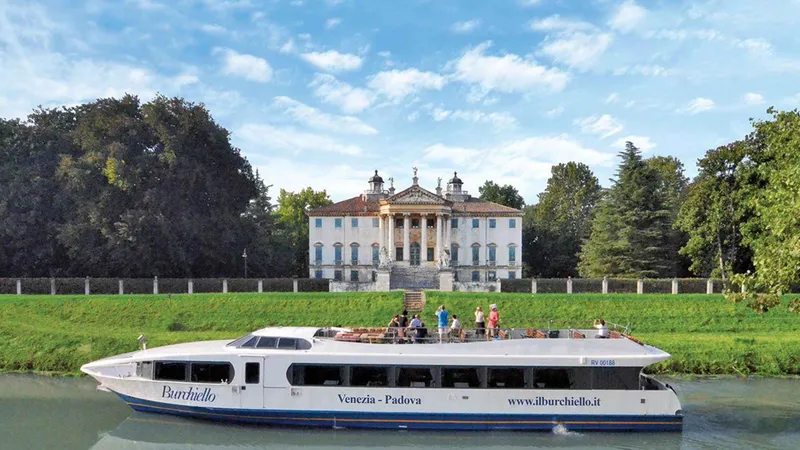 from $170.55
The slow arrival: fifty villas, five locks, Venice by water
Check Availability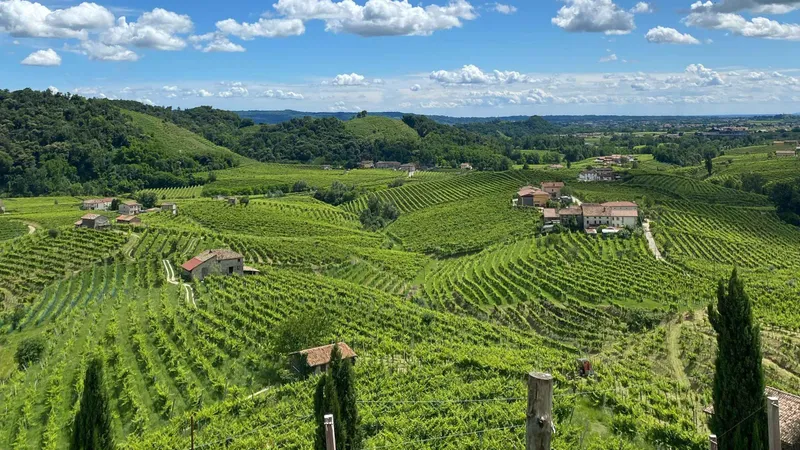 from $208.84
The DOCG hills day: osteria tasting, cellar tasting, the mill stop
Check Availability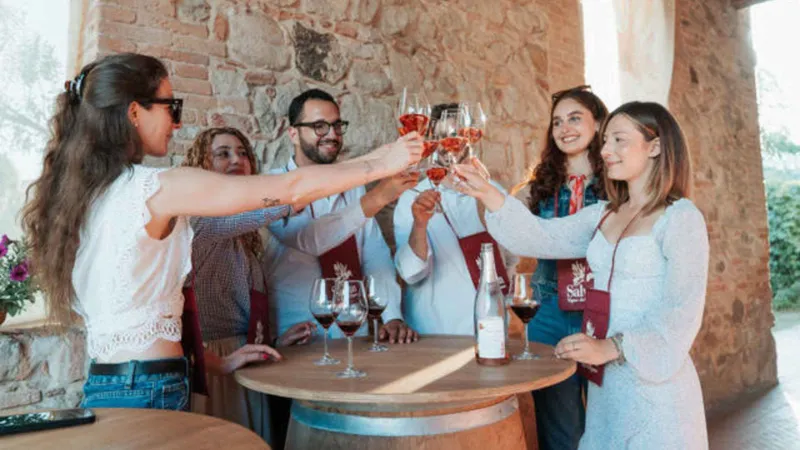 from $63.81
Seven volcanic-terroir wines in one sitting — the strongest-rated hill option
Check Availability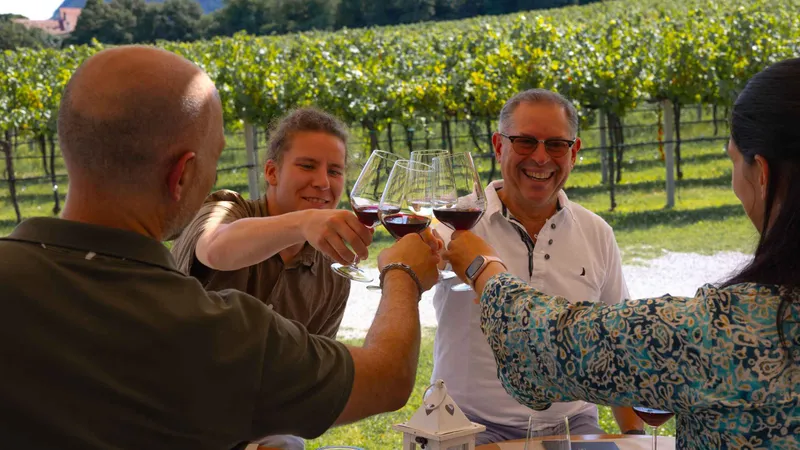 from $145.03
No-designated-driver solution for the Fior d'Arancio hills
Check AvailabilityPrices, ratings and details are the platform's own, checked in Q3 2026; dollar figures are the listed prices — the platform bills in your account's currency.
Padua's accommodation logic follows its geography: everything inside the ring of the old walls is walkable to every sight, so the real choice is between atmosphere and price, not distance. The historic centre between the piazze and Prato della Valle puts you amid the porticoes and evening passeggiata; the blocks around Padova Centrale trade charm for cheap rates and early trains — the sensible pick when Venice fills two days of the itinerary; the riverside Riviera del Ponti corridor offers quieter streets with direct views toward the Specola tower; and the spa towns of Abano Terme and Montegrotto, ten kilometres out, turn the stay thermal, trading urban access for hotel pools.
Nightly central rates run roughly €70-90 at the honest floor and €140-180 at the comfortable ceiling in high season, with the area-by-area matrix carrying the current bands and booking links. Book anything with a window onto Prato della Valle early for June weekends — the sunsets do the selling for the hoteliers.
Direct answers to the questions that decide a Padua trip, each linking the page that owns the detail:
Yes for almost everyone: the cycle is the most complete Giotto ensemble in existence and the 15-minute cap keeps the room calm rather than ruined. The honest verdict, including when to skip it, is on the dedicated page. Read the full verdict.
A direct bus runs from Marco Polo to the Padova Autostazione in 50-60 minutes for roughly €9-10; a bus-plus-train route via Mestre costs less and takes longer. Both are compared with taxi fares. Compare airport transfers.
Padua sits among the safer mid-size Italian cities; ordinary caution around the station forecourt late at night covers most of it. The page covers the practical hazards and the emergency numbers. Read the safety guide.
Yes — Padua's municipal supply is treated and tested, and public fountains across the centre serve drinkable water; a refillable bottle saves €2-3 a day against bottled. See the cost breakdown.
One entry to each of the eight UNESCO fresco-cycle sites plus unlimited city buses, €28 for 48 hours or €35 for 72. It beats singles from about the fifth paid entry. Check the card math.
Venice for the once-seen-in-a-lifetime draw, Verona for the arena and the easier pace, the Euganean Hills for wine and cycling without a rail ticket. The comparison page prices all three. Compare the day trips.
Bigoli col foin, spring risotto with bruscandoli, and a Pedrocchi mint-cream coffee at the 1831 counter. The dish-by-dish page lists where each one is ordinary rather than special. Browse the Paduan dishes.
Worth it on its own terms: Giotto's complete chapel cycle, the world's oldest academic botanical garden, Donatello bronzes in a free basilica, and one of Europe's oldest universities with its 1594 anatomical theatre. Two days minimum; the itinerary logic is here.
The combined Musei civici ticket totals €16.00 including the mandatory €1 booking fee — it covers the chapel slot plus the Eremitani museum and Palazzo Zuckermann. Reduced and resident tiers exist; the ticket mechanics explain the slot system step by step.
About 26-30 minutes to Venezia Santa Lucia on regional trains that run every 15-30 minutes all day, at roughly €4-5 one way with no seat reservation required. The Venice day-trip page times the whole outing.
For five or more paid entries inside 48 hours, yes — the €28 card then beats the sum of singles, and the bundled buses add value. The break-even arithmetic shows both sides.
The civic museum set — Palazzo della Ragione, Caffè Pedrocchi's museum wing, Orto Botanico and the Eremitani galleries — closes on non-holiday Mondays, but the Scrovegni Chapel itself opens daily year-round (except 1 January, 1 May, 25-26 December) and the Basilica of Saint Anthony never closes.
Inside the historic centre, as close to the piazze as the budget allows — the whole walkable core removes transport decisions from the trip. The where-to-stay page compares the four areas with current rate bands.
Not for most osterie on weekdays, but book Friday and Saturday dinners, any table on Piazza delle Erbe in fair weather, and anywhere you specifically want on the 13 June city festival for Saint Anthony.
The flat core and porticoes help; cobbles and a few stepped thresholds remain. The Scrovegni Chapel, the basilica and the buses all offer step-free routes — the accessibility page details each.
The office, phone and email above belong to the city's own visitor service, published on the official tourism site and checked on 2026-09-12 — they are not this site's contact details. To reach us, use the contact page.