 Padua City Guide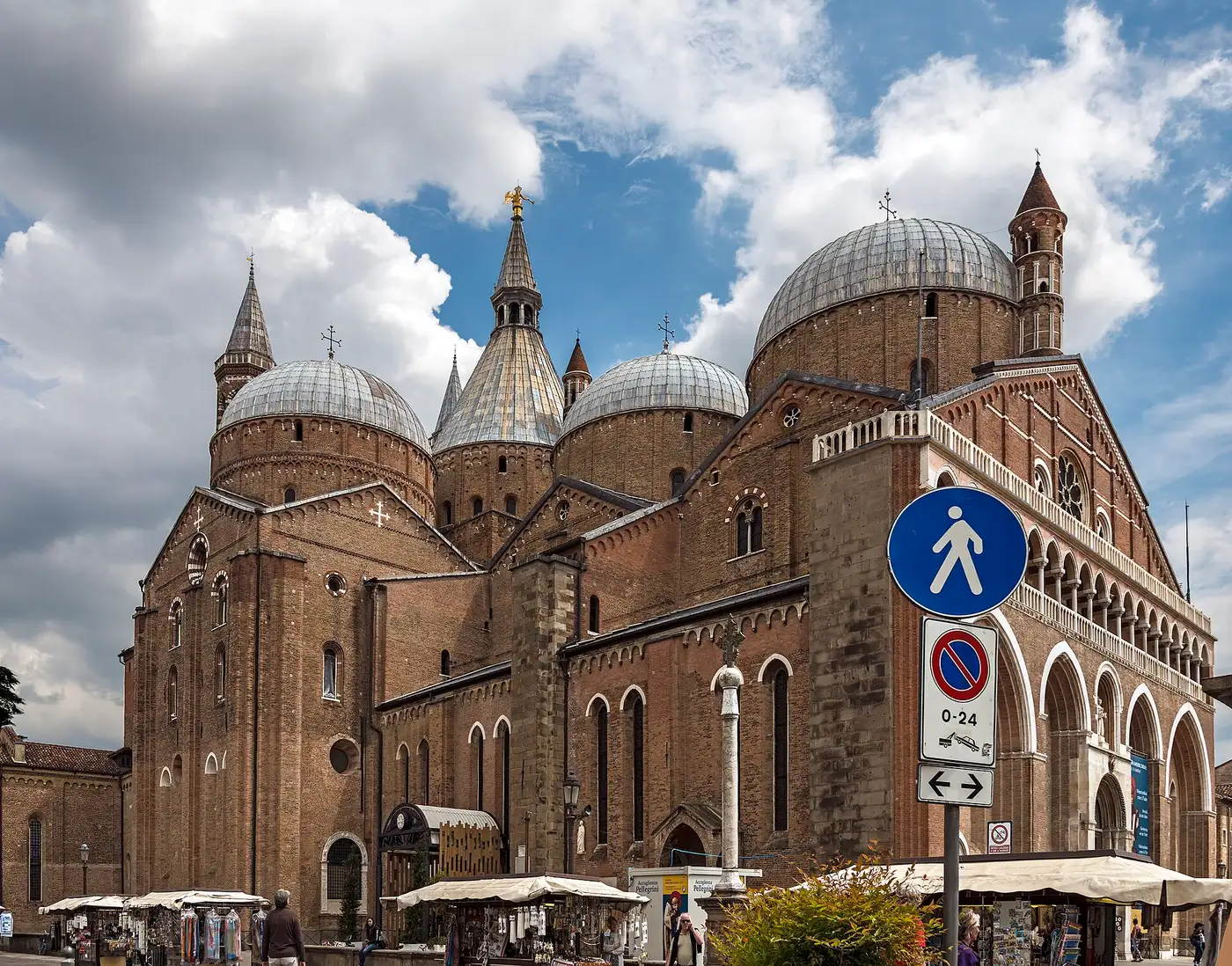
Planning padua in 3 days means one decision more than the two-day trip: what to do with the third day, once the city's own circuit — the fresco slot, the piazze, the university, the garden, the basilica quarter — is complete. The honest answer is that Padua sits in the middle of three very different options, each reachable without changing hotels: the vineyard hills and spa towns to the south-west, a first taste of the lagoon to the east, or the arena city up the rail line. This page keeps the two-day core intact, slows it slightly, and then lays the third-day choices side by side with real times and fares. All hours and prices below were checked on 12 September 2026. The planning directory that sits above this page starts at the Padua City Guide homepage.
Quick answer The three-day shape and the third-day decision
Checked on 12 September 2026: days one and two run the full two-day core — the chapel's first morning slot, the piazze, the Santo, the garden, the Palazzo Bo tour and the Baptistery. Day three is the fork: an afternoon among the Euganean Hills by regional train towards Terme Euganee, a lagoon taster in Venice (about 30 minutes, roughly €4-5 each way), or Verona (70-90 minutes, regional fares around €8). The comparison table below puts the three options side by side; book nothing for day three until the city's timed entries are secured.
Key takeaways
- Days 1-2 are the two-day itinerary at a slightly slower pace — same bookings, same order.
- Third day by rail: Venice about 30 min (€4-5), Vicenza about 30 min, Verona 70-90 min (around €8 regional).
- The Euganean Hills option trades a sight for a landscape — train to Terme Euganee, then local buses or a long walk.
- 72-hour Urbs Picta Card (€35) fits this trip's window; the 48-hour version (€28) cuts the third day off.
Day 1: the fresco slot, the market squares and the southern sunset
The core day, unchanged in order from the shorter plans — with the extra breathing room that a three-day trip allows in the afternoon.
-
The chapel's first morning slot
€16 combinedBook the 9:00-9:15 entry wherever the calendar allows: fifteen minutes with the 1303-1305 cycle before the city fills, on the mandatory combined ticket of €16. Arrive by 08:30 at the Eremitani museums — the slot rules are in Scrovegni Chapel tickets.
walk 10 min to next
-
Coffee in the cafe without doors
Coffee price onlyThe free historic halls and the mint-cream house coffee — the first pause of the day and, at this hour, almost a private one. The museum floor above is deliberately left for day two.
walk 2 min to next
-
Market squares and the Salone
€8 SaloneThe market at full pitch, the painted ceiling and wooden horse of the Salone (€8, Tue-Sun 9:00-19:00, closed ordinary Mondays), then the loggias of Piazza dei Signori and, if booked, the clock tower's fixed-time climb — free by donation.
walk 2 min to next
-
Market lunch
Market pricesStand-up plates from the market bars eaten on the palace steps, or a table on the square — the one-day plan details the mechanics and the timing.
walk 15 min to next
-
Basilica of Saint Anthony
Free (museum €10)Free entry to the domes, Donatello's high-altar bronzes and the Gattamelata on the square; the museum costs €10 when you want the full complex — see Basilica of Saint Anthony.
walk 3 min to next
-
Sunset on Prato della Valle
FreeThe 90,000-square-metre ellipse — the largest square in Italy — and its ring of 78 statues, closing the day facing west. Dinner follows in the streets behind the southern curve.
Day 2: the garden, the abbey, the university and the Baptistery
The interiors day, ordered by opening rhythm — the same sequence as the two-day plan, with the abbey given the longer morning slot a three-day trip can afford.
-
Orto Botanico, unhurried
€15 (€12 winter)Two hours rather than 105 minutes: the 1545 hortus with Goethe's palm, the botanical museum and the Biodiversity greenhouses, audio guide included, closed ordinary Mondays — full detail on the botanical garden page.
walk 5 min to next
-
The abbey of Santa Giustina
FreeFree entry in the morning hours: cloisters, St Luke's tomb and a nave built on a scale that expects silence — see Santa Giustina. Lunch follows back towards the centre.
walk 10 min to next
-
Palazzo Bo guided tour
€10 guidedThe weekday guided circuit (€10, about 45 minutes, MidaTicket) through the courtyard of coats of arms, the anatomy theatre of 1594-95 and Galileo's lectern — the university's story in one hour, on the University of Padua page.
walk 8 min to next
-
Duomo and the Baptistery dome
€15 combinedMenabuoi's fourteenth-century dome on the €15 combined Baptistery and diocesan ticket — on ordinary Mondays the complex opens only from 14:00, which suits this afternoon slot exactly (Duomo and Baptistery).
walk 6 min to next
-
The Risorgimento museum above the cafe
€5 museumThe Piano Nobile (€5, Tue-Sun 09:30-12:30 and 15:30-18:00, side entrance on the piazzetta) closes the interiors day where the city's conversations always happened — above the cafe without doors.
Day 3: a slow morning in the city, then the fork
Keep the morning in Padua — the third day's transport works better after lunch — and choose one of the two afternoon options. Both return to Padova Centrale in time for dinner.
-
Slow morning: what the first two days left open
Mostly freeThe list you parked: the free circuit of porticoes and river bends, the clock tower if its fixed times fell elsewhere, the covered market for picnic supplies, and the last of the Eremitani complex next to the chapel. Leave the hotel by late morning.
walk 20 min to next
-
Option A — a first taste of Venice
From ~€4-5 each wayRegional trains leave Padova Centrale for the lagoon in about 30 minutes at roughly €4-5 each way; no seat reservation needed on the regionals. Walk from Santa Lucia into the back of Cannaregio, cross to the Rialto and be back on the evening train — the full plan is on the Venice day trip page.
-
Option B — the Euganean Hills
Regional fare + local busA short regional train ride south towards Terme Euganee puts you at the foot of the volcanic hills — wine towns, abbey ruins and the spa promenades of Abano, linked by local buses and marked paths. It is a landscape afternoon, not a sights afternoon; the routes are on the Euganean Hills page.
The third-day decision: Venice, Verona or the Euganean Hills
Fares and times below come from the regional rail operators' published 2026 figures checked on 12 September 2026 (regional trains need no reservation; high-speed alternatives exist at dynamic prices). The 'rough return cost' column is per person on regional services.
| Third-day option | Getting there | Time each way | Rough return cost | What the day gives you |
|---|---|---|---|---|
| Venice taster | Regional train from Padova Centrale to Santa Lucia | About 30 minutes | €9-10 | The lagoon's headline sights in one long afternoon; heaviest crowds of the three |
| Verona | Regional train up the Brenner line | 70-90 minutes | Around €16 | Arena, Juliet and a proper old town — a full second city, not a taster |
| Euganean Hills | Regional train towards Terme Euganee, then local buses | 20-40 minutes to the spa towns | A few euros | Wine villages, abbey ruins and thermal promenades — landscape rather than sights |
How the booking calendar stretches across three days
Three days multiply the fixed times, and one of them — the third — should stay deliberately unbooked until the city's own entries are secured. The sequence below is the one this site uses: city first, fork second. Prices and rules were checked on 12 September 2026 against the operators' channels.
The order of reservations
Same rule as every Padua plan: the slot that sells out first gets booked first, and the third day stays fluid until the fixed times are locked.
| When | Reservation | Notes |
|---|---|---|
| 2-4 weeks out (high season) | Chapel slot, day one, 9:00-9:15 if possible | Mandatory timed entry — €16 combined; see Scrovegni Chapel tickets |
| 1-2 weeks out | Palazzo Bo tour (€10) for day two via MidaTicket | Weekdays only; term-time places go early |
| 1 week out | Torre dell'Orologio fixed-time entry | Free by donation; small capacity |
| Any time | Regional train tickets for day three | Regionals need no seat reservation — buy at the station machines |
| Not booked | Day three's afternoon option | Decide on the evening of day two, on the weather |
If the weather turns: the indoor fallback for day three
The third day is the one you can lose to rain without losing the trip, because the city's indoor circuit comfortably fills an afternoon. The natural sequence: the Eremitani museum galleries beside the chapel (the same ticket family covers the complex), the Salone's painted hall if your first days fell on a Monday, the diocesan museum's upper floors, and a long, dry afternoon in the historic cafe's halls — the mint-cream coffee is an indoor sport by definition.
If the fork day must become an indoor day entirely, the hills option is the one to drop, not the lagoon: rain on the wine roads is wasted, while a wet afternoon in Venice still works under the porticoes and in the basilicas. Verona also survives rain well — the arena and the old-town arcades. Whichever way you cut it, keep the evening in Padua: the covered cichetti counters were designed for exactly this weather.
Not ideal for
- The Euganean Hills option assumes a dry afternoon — paths and viewpoints are the point, and in rain there is little to substitute.
Frequently asked questions about three days in Padua
Which works better as the third day: the hills or the lagoon?
Different currencies. The Euganean Hills afternoon is quiet, cheap and landscape-shaped — best after two intense sightseeing days. The Venice taster adds a headline city but brings the crowds. If this is your only lagoon window this year, take the train; if you have been recently, take the hills.
Do trains out of the city need advance purchase?
No for the regionals that serve all three third-day options — Venice, Vicenza, Verona and the Terme Euganee line all run on walk-up regional tickets bought at the machines. Only high-speed services use reservations with dynamic fares. Times and fares are on the getting around page.
Is Verona realistic within three days?
Yes, as a full-day version of the fork: 70-90 minutes each way on the regional line at around €8 each way leaves six usable hours in the arena city. It is more travel time than the other two options, so it suits travellers who have already seen the lagoon — the comparison is on the day trips hub.
What changes in the cooler months?
Daylight: the sunset slot on Prato della Valle moves to late afternoon, the garden's hours shorten, and the winter tariff (€12) softens its ticket. The third-day fork actually improves — the spa towns are built for the off-season, and the lagoon is calmer.
Does the three-day plan need a hired car?
No. Every stop on days one and two is on foot, and all three third-day options run by train plus local buses. A car in the historic centre is a liability — the parking and restriction rules are in the getting around guide.
Where is the best sunset on the final evening?
On Prato della Valle, if the fork day stays in the city: the ellipse faces west and the statues silhouette against it. From the hills, the ridge roads above the wine towns face the plain — the Euganean Hills page marks the viewpoints.
The third-day pages and the planning behind them
Each fork has its own full guide, plus the hub that compares them all:
Venice day trip from Padua
Trains, timing and a one-day lagoon plan that fits the third-day window.
Verona day trip from Padua
The 70-90 minute rail run and what six hours in Verona can hold.
Colli Euganei
The hills by train and bus: wine towns, abbeys and spa promenades.
Day trips from Padua
All the excursions compared, including Vicenza, Bologna and Ferrara.
Venice or Verona day trip?
The head-to-head for travellers with exactly one free day.
The basilica quarter that anchors day one's afternoon — free to enter, and the southern loop's fixed point whatever the third day holds.
Reviewed Q3 2026 (July–September 2026); next review Q4 2026. Prices, hours and terms are set by the venue or operator and confirmed at checkout.
We may earn a commission if you book through one of our links, at no extra cost to you. Full affiliate disclosure