 Padua City Guide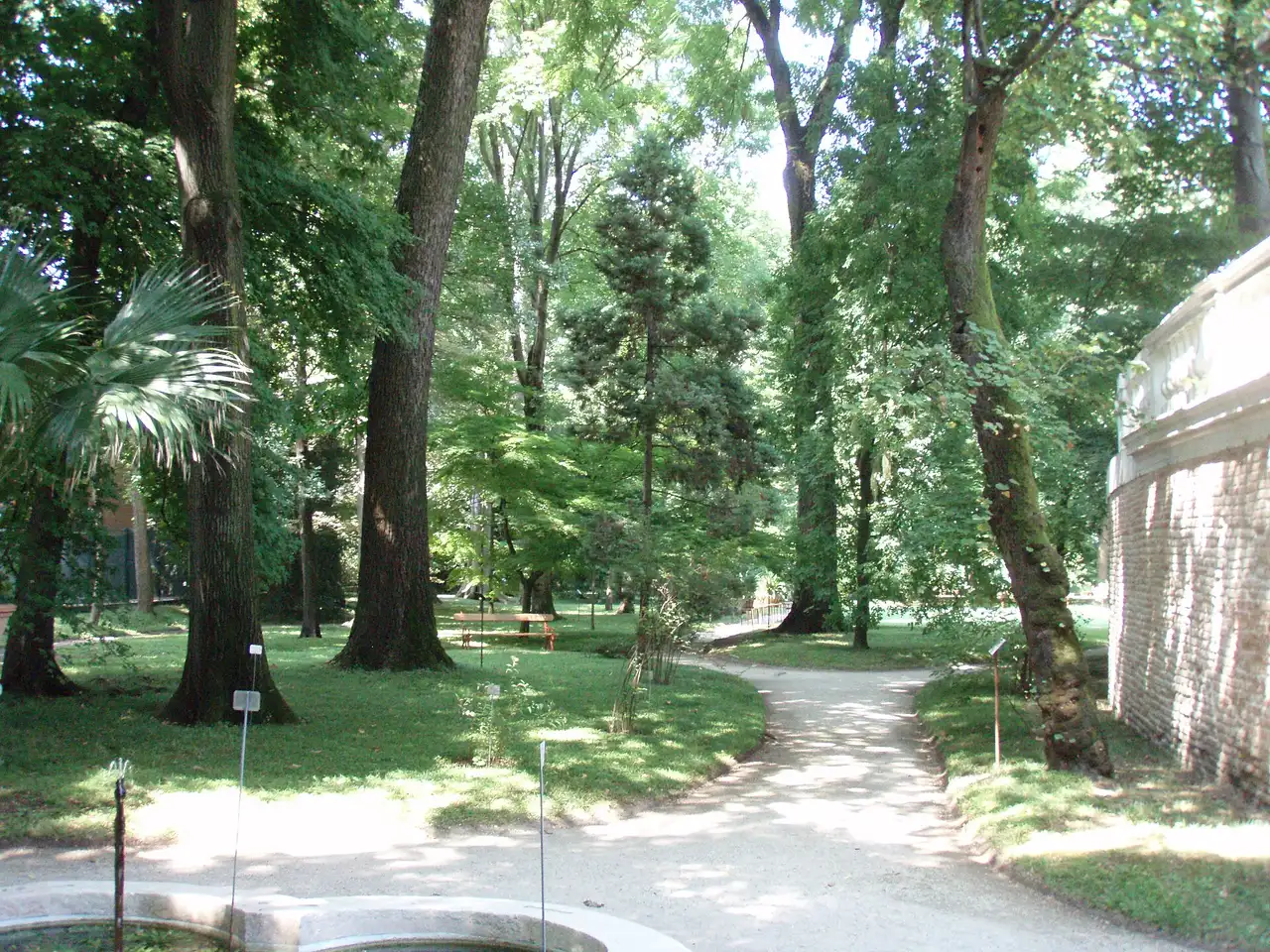
Travelling padua with kids works better than the city's museum-heavy reputation suggests, and the reasons are geometric: the biggest space in the centre is a 90,000-square-metre public square built for running, the second-biggest collection of attractions is free, and the distances a small walker can manage — ten minutes between the piazze and the ellipse — match a child's legs. This guide sequences the city for families: the open squares first, the garden and its greenhouses, the interactive medicine museum that children actually like, the clock and the cafe rituals, and the practical layer — strollers on cobbles, changing tables, gelato stops and the heat-break arithmetic. Prices and opening rules below were checked on 12 September 2026. The planning directory that frames the trip starts at the Padua City Guide homepage.
Quick answer The family day-shape, the three paid sights, and the free spine
Checked on 12 September 2026: build the days around Prato della Valle — the flat ellipse where scooters and small legs run free — then add the botanical garden (€15, family ticket €30, closed ordinary Mondays), the interactive MUSME medicine museum (€12) and the mint-cream coffee at the historic cafe. The free basilica and the astronomical clock carry the culture quota. Strollers manage the porticoes with care at the thresholds; buses are low-floor; and the fountains double as heat-break stations. The activity matrix and the family-ticket list below carry the prices.
Key takeaways
- The ellipse is the base camp: flat, huge, free, and best at the golden hour.
- Book the garden's family ticket (€30) and go early; it closes on ordinary Mondays.
- MUSME (€12) is the rainy-day winner — interactive, compact and genuinely for children.
- The mint-cream coffee at the historic cafe is the cheapest memorable ritual in the city.
- Carry a bottle for the fountains' refill stations; the tap water is drinkable.
The open squares: the ellipse as base camp
Start with the space, because it is the reason families do well here. Prato della Valle is about 90,000 square metres of flat, open ground — a canal island ringed by statues and crossed by low stone bridges — and it absorbs children the way a park does: scooters, ball games, the statue hunt (78 of them, each with a name to guess), and the evening passeggiata that turns the whole thing into a festival of local families rather than a sight. It faces west, so the last two hours of daylight are the golden ones.
Pair it with the market squares in the morning, where the stalls are theatre for small eyes — fruit pyramids, the fish stalls, the tower above — and with the fountain stops in between: the public fountains in the centre dispense drinkable water, and the refill ritual is both a heat-break and a coin-saving habit. The gelato stops, meanwhile, are everywhere around the piazze; treat them as infrastructure, not indulgence.
- Golden hour on the ellipse: arrive an hour before sunset.
- Statue hunt: 78 labelled figures — pick six and find them.
- Fountain refills: the tap water is drinkable across the centre.
- Morning market on the herb square: sensory theatre and cheap snacks.
The garden and the greenhouses: nature with a curriculum
The botanical garden — the world's oldest academic garden, founded in 1545 and UNESCO-listed since 1997 — is the family sight that rewards attention: a circular hortus with Goethe's palm, and the modern Biodiversity Garden greenhouses that walk through the planet's biomes in climate-controlled comfort. Children take to the greenhouses first — the desert and tropical rooms are a temperature as much as an exhibit — and the ticket includes the audio guide for the older ones. Entry is €15 (€12 in the winter tariff of November-February), with a family ticket at €30, and the garden closes on ordinary Mondays.
Time it for the 10:00 opening, do the hortus while the light is soft, and finish in the greenhouses. Two hours is the honest visit length with children; the garden sits five minutes from the ellipse, so the pairing is natural.
The family sequence for the garden
A two-hour arc through the garden that ends where the lunch options begin.
| Time | Stop | Why |
|---|---|---|
| 10:00 | Ticket desk and the hortus ring | Cool hours; the 1545 circle and Goethe's palm |
| 10:45 | The Biodiversity greenhouses | The desert and tropical rooms hold attention longest |
| 11:45 | Benches and the shop | Ice-cream arithmetic; the shop sells seeds |
| 12:15 | Walk to the ellipse | Five minutes, flat, lunch and running time |
MUSME: the interactive medicine museum
The sleeper hit for families is MUSME, the museum of the history of medicine in the city's old hospital of San Francesco Grande: multimedia, hands-on, and built — unusually for a science museum — with children as a design audience rather than an afterthought. Touch screens, 3D anatomical models, interactive games and a modern take on the anatomical theatre carry the story of Padua's medical school, one of Europe's oldest. Entry is €12, the visit runs an hour and a half comfortably, and the museum sits a short walk from the centre at Via San Francesco 94.
It is the rainy-day answer and the hot-afternoon answer in one: indoor, air-conditioned, and interesting enough that the adults learn things too. Age fit is broad, but the sweet spot is roughly six and up; smaller children enjoy the models and screens without following the narrative.
- MUSME, Via San Francesco 94 — a short walk south of the piazze.
- €12 entry; an hour and a half covers it well.
- Sweet spot six and up; the interactive floors engage younger ones too.
- The rainy-day pick — pair it with the cafe ritual afterwards.
The clock, the cafe and the free basilica
Three cheap or free rituals hold the cultural quota. The astronomical clock in the piazze is a working medieval machine — its 24-hour dial and zodiac ring, with the mechanics visible from the tower (entry free by donation, fixed times, booked ahead), give the climb a treasure-hunt quality. The historic cafe on Via VIII Febbraio admits everyone to its ground-floor halls for the price of a coffee: order the house speciality, an espresso under mint cream, sugared and un-stirred by convention, and the children get a dessert and a history lesson for €2-3 — see Caffè Pedrocchi.
The Basilica of Saint Anthony is free and vast, with Donatello bronzes at eye level for exactly the children who cannot see altarpieces, and the Gattamelata statue on horseback outside — the animal factor is not minor. Keep the visit short, light a candle, and let the cloister square run its course.
- Clock tower: free by donation, fixed times — book the slot ahead.
- Cafe ritual: mint-cream espresso, €2-3, in eighteenth-century halls.
- Basilica: free, Donatello at child height, horses outside.
- Keep each stop under an hour; trade depth for variety.
Practicalities: strollers, changing tables and the daily rhythm
The honest friction for families is the ground: cobbles and portico thresholds are the main obstacles for pushchairs, and the centre is flat but not smooth. Light strollers with decent suspension manage the porticoes; the alternative is a carrier for the smallest. Buses are low-floor with space for pushchairs through the middle doors — the ticket rules are in the getting around guide — and the taxi fallback costs a few euros for the cross-city hops.
Changing tables appear in the major museums and larger restaurants; the honest habit is to ask at the counter rather than assume, and to plan the day around the cafe and museum stops that have them. The daily rhythm matters more than any equipment: Italian children stay up late, the passeggiata is a family institution, and the heat is the real opponent — July's 30°C average highs make the morning-and-evening split, with the fountains as waypoints, the family version of the summer plan.
- Light stroller or carrier; cobbles and portico thresholds are the friction.
- Ask for the changing table — major museums and larger restaurants have them.
- Morning-and-evening outdoors in summer; interiors and greenhouses at midday.
- Gelato and fountain stops planned as infrastructure, not treats.
The top activities for children, costed and rated
Costs come from the operators' 2026 tariffs checked on 12 September 2026; the time and age-fit notes are ours, tested at the pace children actually set.
| Activity | Cost | Time needed | Age fit |
|---|---|---|---|
| Prato della Valle and the fountain circuit | Free | 1-2 hours | All ages — the flatter the better |
| Botanical garden and Biodiversity greenhouses | €15 (family ticket €30) | 1.5-2 hours | Five and up; the greenhouses for everyone |
| MUSME, museum of the history of medicine | €12 | 1.5 hours | Six and up; screens for the younger ones |
| The historic cafe's mint-cream coffee | €2-3 | 30 minutes | All ages — dessert as history |
| Astronomical clock and the tower climb | Free by donation | 30-45 minutes | Six and up; fixed times, booked ahead |
| Basilica of Saint Anthony and the Gattamelata | Free | 45 minutes | All ages, kept short |
Family prices as published by the operators, checked on 12 September 2026. Family definitions vary — the garden's is the clearest — so the rows link the official, unparametered channels where the current family and reduced categories are listed.
Buy the garden's family ticket at the desk or official portal, book the chapel's reduced children's tier ahead like everyone else, and let the free sights carry the rest.
| Ticket | Price | Family angle | Official source | Book |
|---|---|---|---|---|
| Orto BotanicoThe greenhouses and the hortus | €15 adult; €12 winter; family ticket €30 | The clearest family ticket in the city; closed ordinary Mondays | Official garden site | Official site |
| Scrovegni ChapelThe fresco slot | €16 combined; reduced €11 | Children's reduced categories on the official site; book the timed slot | Official chapel site | Official site |
| Santo museumThe basilica quarter | €10 adult; family ticket €20 | The basilica entry itself is free | Basilica of Saint Anthony | Official site |
| MUSMEThe rainy-day pick | €12 | Interactive floors built for children; check reduced categories on site | MUSME | Official site |
| Pedrocchi museumOlder children and the ritual | €5; the cafe halls are free | The museum floor suits older children; the coffee ritual costs €2-3 | Caffè Pedrocchi | Official site |
Frequently asked questions about visiting with children
Is the city manageable with a pushchair?
Yes, with expectations set: everything is flat, but cobbles and portico thresholds add friction. Light strollers with suspension manage; a carrier is calmer for the smallest. Buses are low-floor with pushchair space, and the ground-level realities are set out in the accessibility guide.
What is the single best free activity for children?
The ellipse at golden hour: 90,000 square metres of flat ground, 78 statues to find, canal bridges to cross and local families everywhere. It costs nothing and it is the city's own children's evening routine — pair it with a fountain refill; the tap water is drinkable.
Which museum actually works for children?
MUSME, the history-of-medicine museum (€12): interactive, multimedia and designed with children as an audience. The greenhouses of the botanical garden run it close, especially the desert and tropical rooms on a hot day.
Do family tickets exist?
Yes for the headline sights: the garden's family ticket is €30, the Santo's museum family ticket is €20, and the chapel sells reduced children's categories through its official channels — the family-price list above links each operator.
How do we handle the summer heat with small children?
By schedule: mornings and evenings outdoors, interiors at midday, fountains as waypoints — the tap water is drinkable across the centre. The seasonal rhythm is on the best time to visit page; July averages highs around 30°C.
What should we skip with children?
Nothing is hostile, but the university's guided tour (€10, 45 minutes, booked ahead) is a lecture in a beautiful room — better for teens than for six-year-olds. Trade it for the clock tower's climb and the cafe ritual; the things to do hub ranks the rest.
The family pages that finish the plan
Four guides that pair with the family day-shape, plus the sights directory:
Botanical garden
Hours, tariffs and the visiting order for the greenhouses and the hortus.
Caffè Pedrocchi
The mint-cream ritual and the museum floor above the historic halls.
Free things to do
The no-ticket circuit — squares, porticoes and river bends.
Where to stay
Base areas with the space and the quiet families need.
Things to do
The full ranked sights directory, family filters in mind.
The garden's greenhouses — desert and tropical rooms under glass — the stop children vote for and adults remember.
Reviewed Q3 2026 (July–September 2026); next review Q4 2026. Prices, hours and terms are set by the venue or operator and confirmed at checkout.
We may earn a commission if you book through one of our links, at no extra cost to you. Full affiliate disclosure