 Padua City Guide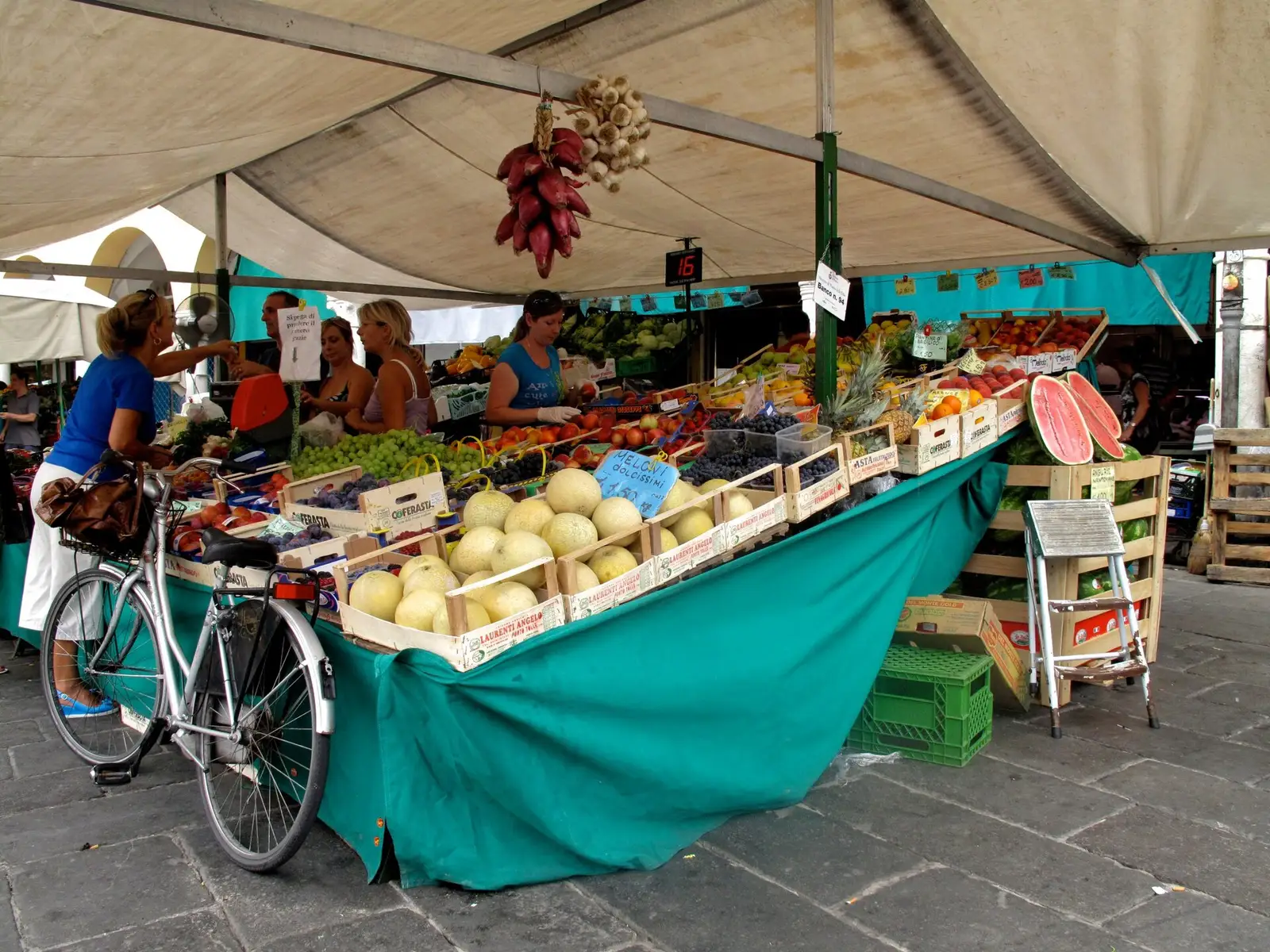
The honest answer to is padua safe is that this is one of the calmer corners of northern Italy: a provincial university city where violent crime against visitors is rare, the evening streets are full of families, and the real risks are the ones that follow every Italian city — pickpockets in the crowded places, the odd Venice-side scam at its mildest, and the summer heat. This guide gives the risk picture without the reassurance theatre: where pickpockets actually work and when, the two or three cons worth knowing and how they run, which areas feel different after dark, and the practical numbers — 112, the tourist office, the main hospital, the pharmacy night rota — that make the safety question boring, which is what it should be. Checked on 12 September 2026. The wider planning directory sits on the Padua City Guide homepage.
Quick answer The risk level, the three pickpocket zones, and the numbers to save
Checked on 12 September 2026: Padua is a low-risk city by European standards — violent crime against visitors is rare and the lit core stays family-filled until late. The practical risks are pickpockets at the station forecourt, on crowded buses and at busy market mornings, plus mild versions of the Venice-side scams — friendship bracelets, thrown roses — that are easier to decline here than across the lagoon. Dial 112 for any emergency; the main hospital is the Ospedale Civile on Via Giustiniani 2; pharmacies post the night rota (farmacia di turno) on their doors. The zone-by-zone detail and the numbers table are below; the quarter geography is in neighbourhoods.
Key takeaways
- Violent crime against visitors is rare; ordinary big-city habits are the whole defence.
- Pickpocket zones: the station forecourt, crowded buses, busy market mornings.
- The Venice-side scams reach Padua milder — bracelets and roses, politely refused.
- After dark, the lit core is comfortable; the station side is practical but quieter.
- 112 is the single emergency number; pharmacies post the night rota on the door.
The honest risk picture
Padua's risk profile is the one you would predict for a wealthy provincial university city of the Veneto: homicide and violent street crime are rare events that make the local news precisely because they are rare, and the crimes a visitor is likely to meet are acquisitive and opportunistic — the unattended bag, the careless phone at the cafe table, the pocket at the crowded bus door. The city centre stays populated and lit late into the evening; the passeggiata on the ellipse and the counter crowds around the piazze are safety features as much as pleasures.
That is not a claim of zero risk, and the habits that apply anywhere in Italy apply here: keep bags zipped and in front in crowds, keep phones off cafe table-tops, keep the wallet out of the back pocket, and keep the hotel's address on the phone rather than on a paper map. Do those four things and the statistical risk a visitor carries through Padua sits close to the floor.
- Violent crime against visitors: rare — the news covers it because it is news.
- Acquisitive opportunism: the actual risk class; the four habits cover it.
- Evening comfort: the lit core runs family-filled until late.
- The four habits: zipped bags, phones off tables, front pockets, hotel address saved.
Pickpocket zones and the habits that beat them
Pickpockets in Padua work the same three rooms they work everywhere: transport, crowds and thresholds. The station forecourt and the buses that serve it are the classic zone — distracted arrivals, luggage, doors — and the crowded market mornings around the herb square concentrate exactly the shoulder-to-shoulder conditions a pickpocket wants. The counter streets in the evening add the alcohol factor, which is less a Padua problem than a universal one.
The defence is boring and effective, and it is worth listing as habits rather than fears: bags worn front and zipped in the three zones below; wallets and phones in front pockets; backpacks swung to the chest on crowded buses; and the small separation habit — one card and some cash in a second place — so that a bad moment stays small. The getting around guide covers the bus ticket rules, because fumbling for change at the door is itself the moment a pocket gets picked.
Where pickpockets work, and when
The three zones, their peak hours, and the single habit that protects in each. Nothing here needs paranoia; it needs routine.
| Zone | When | The habit that protects |
|---|---|---|
| Station forecourt and station-side buses | Arrival and departure peaks, roughly 07:30-09:00 and 17:00-19:00 | Bags front and zipped before the doors open |
| Crowded urban buses | Any busy line at peak hours | Swing the backpack to the chest; have coins ready before boarding |
| Market mornings around the herb square | Roughly 07:30-13:00, busiest on Saturdays | One hand on the bag while browsing; wallet in the front pocket |
| Counter streets in the evening | 18:00-24:00 on the busiest nights | Phones off the table; bags off chair-backs |
The Venice-side scams, and how much they reach Padua
Padua sits inside Venice's tourist economy, so it is worth knowing the cons that work the lagoon and how they travel. The friendship bracelet is the classic: a stranger ties a woven band onto your wrist, chats, and then demands payment — the defence is a flat refusal and hands in pockets when anyone approaches with string. The rose throw works on couples: a man presses a rose into a hand or tosses it at a partner, and payment is demanded for the gift that was never requested. Both are mostly a Venice problem, concentrated around the lagoon's hot spots; in Padua they appear milder and rarer, usually around the station side and the busiest market hours, and a firm 'no, grazie' while walking ends them.
Two more earn the standard caution. Menu-and-bill padding — the unpriced side dish, the cover charge that has doubled — is rare in Padua's honest student economy but not impossible on the most touristic square-frontage tables: order from printed menus with prices, and check the bill line by line before paying. And the classic distraction routines — the spilled liquid, the dropped change, the map unfolded in front of you — are timeless; the defence is always the same: the valuables get secured before the distraction gets attention.
- Refuse bracelets and roses before they land: 'No, grazie', hands in pockets, keep walking.
- Order from printed menus with prices; check the bill before paying.
- Secure valuables before attending to any spill, stumble or sob story.
- The scams are milder here than across the lagoon; the habits cost nothing.
Night zones, heat waves and the summer mosquitoes
After dark, the geography of comfort is simple: the lit core — the piazze, the porticoed streets between the squares and the ellipse — stays populated, busy and comfortable until late, because that is where the city itself is. The station side is practical rather than threatening, but it empties earlier and its edges are quieter; arriving late by train, the walk or short taxi into the centre is unremarkable, and the where to stay guide explains what the station-side base trades. Arcella, across the tracks, is a residential district with its own evening life around its main street — the no-go folklore is exaggerated, but a visitor's evening belongs in the core.
The two seasonal risks are meteorological. Heat waves in July push the humid highs past the 30°C average — the fountains across the centre dispense drinkable water, and the morning-and-evening rhythm is the local solution. And the summer mosquitoes are a real, if minor, plague on still evenings: a repellent in the bag earns its space. Neither will make the news; both will shape the evenings more than any criminal ever will.
- Evenings in the lit core: piazze, porticoes, the ellipse — comfortable until late.
- Station side after dark: practical, quieter; a taxi from the rank for late arrivals.
- Heat waves: past-30°C July afternoons; fountains and the shade plan.
- Mosquitoes on still summer evenings: repellent, long sleeves, done.
The numbers and addresses worth saving before arrival
The contacts below are the official ones a visitor actually uses, checked on 12 September 2026; save them on the phone before travel, because the moment they are needed is never a good moment to search.
| Service | Where | Use it for |
|---|---|---|
| 112 — the single European emergency number | Calls and app, free, around the clock | Ambulance, police, fire — one number for everything |
| IAT tourist office | Piazza delle Erbe 52, with a branch at the railway station | Lost plans, maps, official advice in person |
| Ospedale Civile (Azienda Ospedale Università Padova) | Via Giustiniani 2 | The main hospital — emergencies through the Pronto Soccorso |
| Police post at the railway station | The station forecourt | Theft reports, lost property, immediate presence |
| Farmacia di turno (night pharmacy rota) | Posted nightly on pharmacy doors | Late-night medicines — the rota moves; the list is always posted |
Frequently asked questions about staying safe
Is the city centre safe to walk at night?
Yes, in the ordinary sense: the lit core — the piazze, the porticoes between the squares and the ellipse — stays busy with families and students until late, and the evening crowds are the comfort. The standard habits still apply; the neighbourhoods guide maps which quarters run late.
Are there areas to avoid after dark?
Avoid is too strong. The station side empties earlier and feels more functional than threatening; Arcella across the tracks is residential with its own evening life. A visitor's evening belongs in the lit core, and a taxi from the station rank is a few euros if a late arrival lands there.
Do the Venice scams appear in Padua?
In milder, rarer forms — the friendship bracelet and the rose throw work the lagoon's hot spots far more than the mainland squares. The refusal is the same: 'No, grazie', hands in pockets, keep walking. The scam guide above runs the full list.
What number do I call in an emergency?
112, the single European emergency number — it covers ambulance, police and fire, and it works from any phone, free. For hospital care, the emergency department is the Pronto Soccorso at the Ospedale Civile on Via Giustiniani 2.
How do I find an open pharmacy at night?
Through the rota: pharmacies post the nightly farmacia di turno on their doors, with the address of whichever pharmacy holds the night shift. Ask at your hotel or at the tourist office at Piazza delle Erbe 52 if the posted list is unclear.
How bad are the mosquitoes and the heat in summer?
Manageable with planning. July's humid highs average around 30°C and heat waves push past that; the public fountains — drinkable tap water — and the morning-evening rhythm are the local answer. Mosquitoes bother still evenings from June; a repellent settles it.
The guides that finish the safety picture
Four pages carry the context around the risk picture, plus the planning directory:
Neighbourhoods
The five quarters and how each behaves after dark.
Where to stay
Base areas compared, including the station-side trade-offs.
Accessibility
Step-free routes, ramps and the practical access picture.
Padua map
The coordinates of every sight, hospital and office on one map.
Plan hub
Every itinerary and logistics guide in one directory.
The lit core at the aperitivo hour — loggias, families and students, the crowded-but-comfortable evening that defines the city's safety profile.
Reviewed Q3 2026 (July–September 2026); next review Q4 2026. Prices, hours and terms are set by the venue or operator and confirmed at checkout.
We may earn a commission if you book through one of our links, at no extra cost to you. Full affiliate disclosure