 Padua City Guide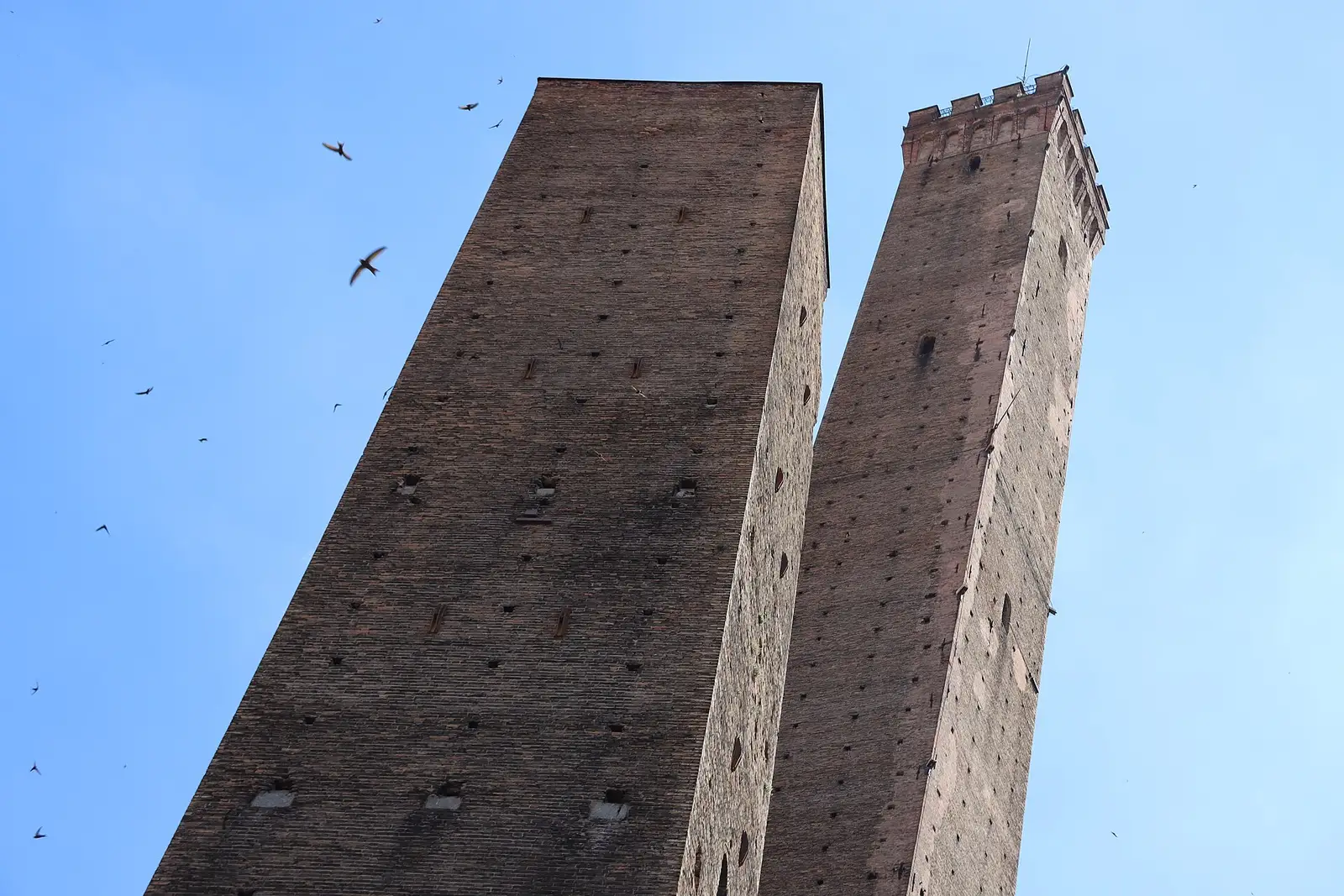
A bologna day trip from Padua is the longest haul on this rail map and the most rewarding food day: Frecciarossa and Italo trains cover the 70-90 minutes south in comfort, with booked fares that vary by how early you commit, while the slow regional — the one that stops in Ferrara — trades speed for pocket change. What you buy with the journey time is Italy's great university city: a medieval core of ochre palazzi threaded with more than 60 km of porticoes (UNESCO-listed in 2021), two leaning towers you can climb on a timed ticket, an anatomical theatre carved from spruce in 1637, and the Quadrilatero's food lanes where mortadella, tortellini in brodo and tagliatelle al ragù justify the trip on their own. This page sorts out the fast-train-versus-regional decision, the one-day route from Piazza Maggiore outward, and the honest note on tours — no vans run here from Padua. If the slow rail appeals, the Ferrara day trip turns the same line into its own destination; the rest of the directory sits on the Padua City Guide homepage.
Quick answer Fast versus regional, the tower climb and the food plan
Checked on 12 September 2026: Padua to Bologna runs 70-90 minutes by Frecciarossa or Italo with booked fares that vary — cheapest weeks ahead — or slower and cheaper by regional via Ferrara. From Bologna Centrale it is a 15-20 minute walk into Piazza Maggiore. Pay for two things: the Two Towers timed climb (a modest fee, reserve a slot) and the Archiginnasio's anatomy theatre (around €3). The Quadrilatero food lanes and the porticoes are free. GetYourGuide runs no Bologna departures from Padua — the nearest wine days are on padua tours.
Key takeaways
- 70-90 minutes by fast train; booked fares reward early commitment.
- The regional via Ferrara is the slow, cheap option — and a Ferrara stopover trick.
- Bologna Centrale to Piazza Maggiore: a flat 15-20 minute walk.
- UNESCO 2021: the porticoes — more than 60 km of covered walkways.
- Eat on the early edge: 12:30 in the Quadrilatero beats the 13:30 queue.
Key facts
Opening hours
| Frecciarossa / Italo Padova → Bologna (daily) | several departures through the day–late-evening returns; 70-90 minutes each way |
|---|---|
| Two Towers timed climb | daytime slots–slots sell out in season — reserve ahead |
Closed Trains run daily; the Archiginnasio rooms follow the library's calendar and the tower keeps its own slot schedule — check both before travelling
Admission
- Adult
- Fast-train fares vary by booking window (booked early they undercut the regional); Two Towers climb a modest timed fee in the €5-8 range — confirm; Archiginnasio around €3 — confirm
- Reduced
- Standard reductions at the civic sites; the fast-train economy fares carry their own change rules
- Free
- Piazza Maggiore, the portico walks (more than 60 km of them), the Quadrilatero lanes and the Santo Stefano church complex
Planning it
- Time needed
- 9-12 hours
- Book ahead
- Recommended — a few days
- Address
- Piazza Maggiore, 40124 Bologna
Fast trains or the slow regional
Two rail strategies cover the 120-odd kilometres south, and the choice shapes the whole day. The Frecciarossa and Italo services make the run in 70-90 minutes with seat reservations built into the fare: prices move with demand, the cheapest seats go to early bookers, and a same-day walk-up in peak season can cost several times the advance rate. The regional, by contrast, trundles south through Rovigo and Ferrara on a fixed fare, taking closer to two and a half hours — but it runs on the validate-and-board rules of every Veneto regional line, and it stops in Ferrara, which turns the return journey into a two-city day if your legs and the timetable cooperate.
The practical pattern for most visitors: fast train out in the morning to maximise ground time, then choose the return on mood and budget — another fast train, or the slow regional with a Ferrara break. Bologna Centrale sits at the northern edge of the centre; the walk to Piazza Maggiore runs 15-20 minutes down the porticoed Via dell'Indipendenza, and local buses cover the gap in five if the weather turns. The same station drill applies as everywhere — validate paper tickets, check the app for platforms and strike windows — and the getting around padua page holds the mechanics. Budget-wise, the padua costs page shows how a Bologna day sits against the cheaper hills and Vicenza trips.
- Frecciarossa / Italo: 70-90 minutes, reservation included, booked fares vary — cheapest weeks ahead.
- Regional via Ferrara: around 2.5 hours, fixed fare, stops where you can break the journey.
- Bologna Centrale to Piazza Maggiore: 15-20 minutes on foot through the porticoes.
- Validate regional paper tickets; check the app for platforms and published strike windows.
- A Ferrara stopover on the slow line turns the return into a two-city day.
Fast train vs regional train
Times and fare mechanics follow Trenitalia's and Italo's published service patterns, checked on 12 September 2026; the exact fares move daily, so the cells describe the rules rather than a fixed number.
| Option | Time | Cost | Best for |
|---|---|---|---|
| Frecciarossa / Italo | 70-90 min | Booked fares vary — cheapest weeks ahead | Maximum ground time in Bologna |
| Regional via Ferrara | around 2.5 hours | The cheapest rail option, fixed fare | Slow travellers; a Ferrara break — see ferrara |
| Split: fast out, regional back | 70-90 min out; ~2.5 h back (or with a Ferrara stop) | Advance fast fare plus the regional fare | One-way productivity, one-way value |
Piazza Maggiore, the towers and the anatomy theatre
Bologna's centre is one enormous medieval room: Piazza Maggiore, ringed by the San Petronio basilica's unfinished brick flank, the city hall and the library palazzo, with the Neptune fountain at the joint. Everything worth the day sits within ten minutes of it, and the free stuff is genuinely the best stuff — the square, the portico arcs, the church complex of Santo Stefano (seven layered buildings on one site) and the Quadrilatero lanes immediately north-east, where the old market guilds' streets now stack delis, pasta counters and wine bars into a couple of city blocks. The food order is fixed by tradition: tortellini in brodo, tagliatelle al ragù (never ask for the foreign version of that dish), and mortadella sliced thin enough to read through — the traditional paduan food page shows how differently Padua itself eats.
Two paid stops earn their fees. The Two Towers — the Asinelli's 97-metre wooden-staired climb past nearly five hundred steps and the half-leaning Garisenda beside it — sells timed slots for a modest fee in the €5-8 range and books out in season, so reserve before you travel. And the Archiginnasio, the university's sixteenth-century seat two minutes off the square, holds the 1637 anatomical theatre carved from spruce: tiered galleries, heraldic ceiling and the dissection lectern at its heart, for around €3. History note for the rivalry: Bologna's studium dates to 1088 — the oldest university in the Western world — yet Padua's own theatre of 1594-1595 at Palazzo Bo predates Bologna's by four decades, a fact the local guides will not volunteer.
The Quadrilatero: eat early or eat late
The food lanes run hardest between 12:00 and 14:00. The strategy is edge-of-lunch: 12:30 seating in a trattoria off the main lanes beats the 13:30 queue by half an hour, and the delis hand out mortadella and cheese samples all afternoon. Evening belongs to the aperitivo bars under the porticoes; reservations for dinner are wise on Friday and Saturday.
A one-day order of battle
With a 09:00-ish fast train out of Padova, the day fills like this:
| Time | Move | Note |
|---|---|---|
| 09:00-10:30 | Fast train Padova → Bologna Centrale | Booked fare; coffee on board or on arrival |
| 10:30-11:30 | Walk in via Via dell'Indipendenza; Piazza Maggiore and Santo Stefano | Free; the porticoes start immediately |
| 11:30-12:30 | Two Towers timed climb | Reserved slot — nearly five hundred steps up the Asinelli |
| 12:30-14:00 | Lunch in the Quadrilatero | Tortellini in brodo, tagliatelle al ragù, mortadella |
| 14:00-15:00 | Archiginnasio and the anatomy theatre | Around €3; two minutes off the square |
| 15:00-17:00 | Portico walks: San Luca option or the university quarter | The San Luca portico runs nearly four kilometres and 666 arches |
| 17:30-19:00 | Aperitivo under the porticoes, then the train home | Fast or regional return — your call |
Porticoes, food and the UNESCO list
The porticoes are Bologna's structural signature and the reason UNESCO inscribed the city in 2021: covered walkways that began as private overhangs in the eleventh century and grew into a civic system of more than 60 kilometres, building-by-building, in wood first and then in the stone and brick arcades you walk today. They are not ornamental — they are how the city handles heat, rain and distance — and the best stretch for a day tripper is the climb toward the San Luca sanctuary: a single arcaded run of 666 arches and nearly four kilometres rising to the hilltop basilica, doable in ninety minutes round trip if the legs accept the grade.
Food is the other UNESCO-grade institution, even if the list never mentions it. Bologna's kitchens run on a short canon — fresh egg pasta, pork, tomato and parmigiano — and the quality bar in ordinary trattorias is high enough that the risk of a bad meal is lower here than anywhere else on this rail map. The practical warnings are few: tourist traps cluster within a hundred metres of Piazza Maggiore, the genuine Quadrilatero shops close Sunday afternoons, and the mortadella-and-tortellini lunch is not optional if you want to understand the city. Between the towers, the theatre and the table, a single day is full but not frantic — the schedule above shows it working with an hour of slack.
- Reserve the Two Towers slot and the cheap fast-train fare in the same evening.
- Aim for a 12:30 lunch table in the Quadrilatero.
- Keep the Archiginnasio's opening calendar — it follows the library, not the monuments.
- Decide the return train strategy before dinner: fast, or regional with a Ferrara break.
Official rows first: the city's tourism portal, which handles the Two Towers timed tickets, and the Archiginnasio library's own site, checked on 12 September 2026. The tour rows carry the honest note — GetYourGuide runs no Bologna departures from Padua, so the nearest catalogue options are the prosecco and hill-wine vans at home.
Book the tower slot and the cheap fast-train fare ahead; buy the Archiginnasio ticket at the door.
| Option | Where | Price | Action | Book |
|---|---|---|---|---|
| Two Towers timed climbView collectors | Base of Torre Asinelli, off Via Rizzoli | Modest timed fee in the €5-8 range — book a slot | Bologna Welcome | Official site |
| Archiginnasio and the Anatomical TheatreHistory and medicine readers | Piazza Galvani 1, two minutes off Piazza Maggiore | Around €3 — confirm on the official site | Archiginnasio library | Official site |
| Frecciarossa / Italo faresEveryone | Padova Centrale | Booked fares vary — cheapest weeks ahead | Trenitalia booking | Official site |
| Panoramic Prosecco Tasting Tour from PaduaA wine day instead | Full day in the Valdobbiadene and Conegliano hills — not a Bologna trip | See tour card | Check Availability | Check Availability |
| Winery Tour & Tasting on the Padua HillsShort tastings | About 1h15 in the hills near Padua | See tour card | Check Availability | Check Availability |
The Asinelli and Garisenda towers from the porticoed streets below — the medieval skyline that anchors the centre.
Bologna on the map: station to square to lanes
The day's geometry is a line from the station in the north to the tower cluster at the centre, with the food lanes and the portico walks fanning out from Piazza Maggiore.
Wine-country tours from Padua — the honest note
GetYourGuide runs no Bologna departures from Padua; the rail link is too good and too fast for a van to compete with. The catalogue's guided days head to the prosecco hills and the Euganean wineries around Padua instead — the natural choice if you want a wine day between two city days. Cards sit in padua tours:
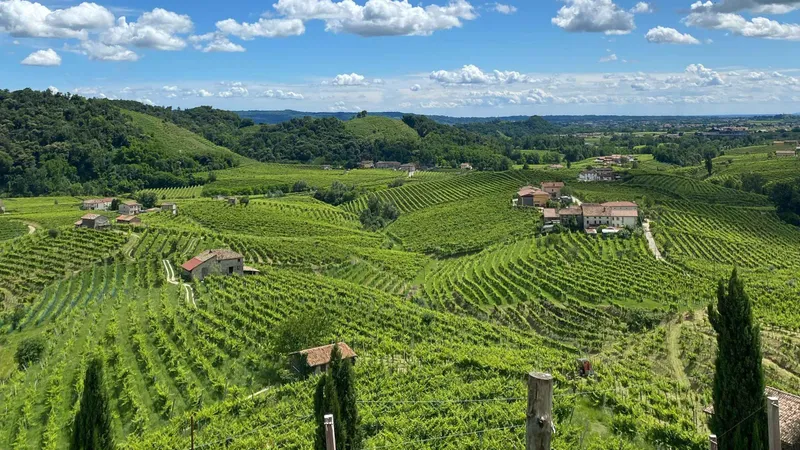 from $208.84
Panoramic Prosecco Tasting Tour From Padua
The DOCG hills day: osteria tasting, cellar tasting, the mill stop
Check Availability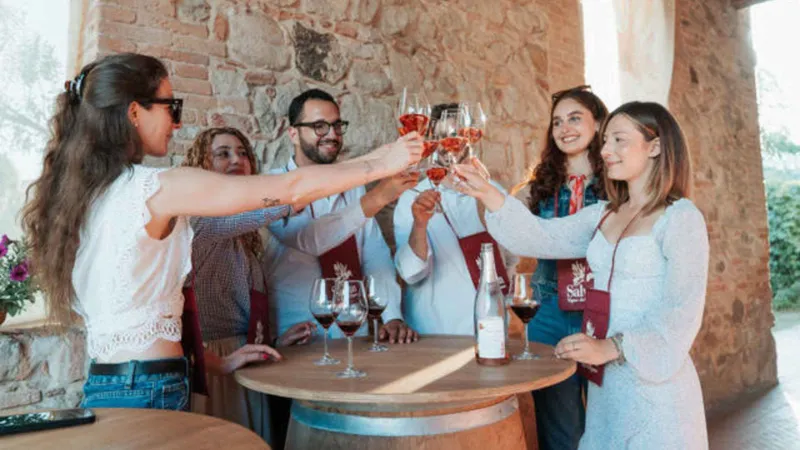 from $63.81
Winery Tour & Tasting in the Padua Hills
Seven volcanic-terroir wines in one sitting — the strongest-rated hill option
Check AvailabilityPrices, ratings and details are the platform's own, checked in Q3 2026; dollar figures are the listed prices — the platform bills in your account's currency.
Frequently asked questions about the Bologna day trip
How fast is the rail link, and which train should I pick?
Frecciarossa and Italo cover the 70-90 minutes with reservation included and booked fares that reward early purchase; the regional needs about two and a half hours on a fixed fare. For a one-day visit the fast train out and the regional back is the best value shape — especially if you break the return in Ferrara.
Do I need to book the tower climb?
Yes in season: the Asinelli climb sells timed slots for a modest fee in the €5-8 range and the popular hours go first. Book through the city's tourism portal a few days ahead; on quiet winter weekdays the door sales sometimes still work, but treat that as luck rather than a plan.
Is the anatomy theatre worth it when Padua has one too?
For around €3, yes — and the comparison is the point. Bologna's theatre of 1637 is larger and more theatrically carved; Padua's 1594-1595 theatre at Palazzo Bo is older and visited by guided tour. Seeing both turns the rivalry between the two universities into something you have actually looked at.
Where can I eat without a reservation?
The Quadrilatero's delis and wine bars take walk-ins all afternoon, and trattorias one or two lanes off the main cluster hold tables at 12:30. Reserve for dinner, especially Friday and Saturday. The safe canon: tortellini in brodo, tagliatelle al ragù, mortadella, and a glass of the hills' sangiovese.
Can the San Luca portico fit in one day?
It can, if you start early: the arcaded climb to the San Luca sanctuary runs 666 arches and nearly four kilometres, about ninety minutes round trip with the view stops. Do it before lunch, not after — the afternoon belongs to the towers and the theatre.
Can Ferrara be squeezed into the same day?
Yes, on the regional line: stop there on the way back, rent a bike by the station, ride the walls for ninety minutes and re-board a later train. It turns a long day into a full one — the ferrara page has the ninety-minute version of that city.
Is Bologna too much for one day?
The centre is compact enough that one day covers the square, the towers, the theatre and a proper lunch, with an hour of slack — the order of battle above proves it. What one day cannot fit is the full food-and-hills experience; that is the argument for a second trip or a slower season.
What to pair with the Bologna run
Bologna shares its rail corridor and its contrasts with three other pages:
Ferrara
The quiet Este city on the same slow line — the stopover that earns its own page.
Verona
The other long rail day — arena and opera instead of towers and food.
Getting around Padua
Station and ticket mechanics on the home end of the fast line.
Padua costs
How the priciest rail day fits a whole-stay budget.
Reviewed Q3 2026 (July–September 2026); next review Q4 2026. Prices, hours and terms are set by the venue or operator and confirmed at checkout.
We may earn a commission if you book through one of our links, at no extra cost to you. Full affiliate disclosure